
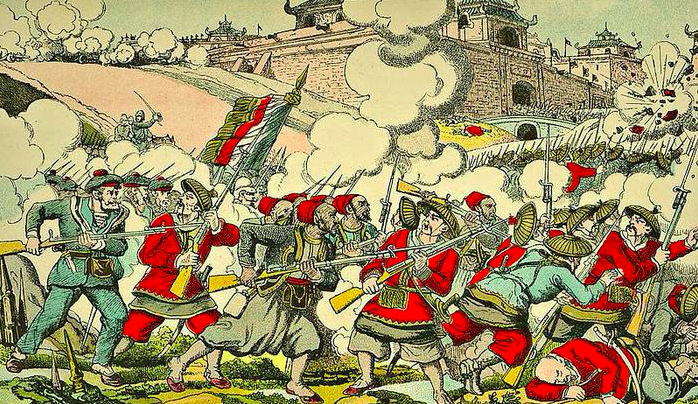
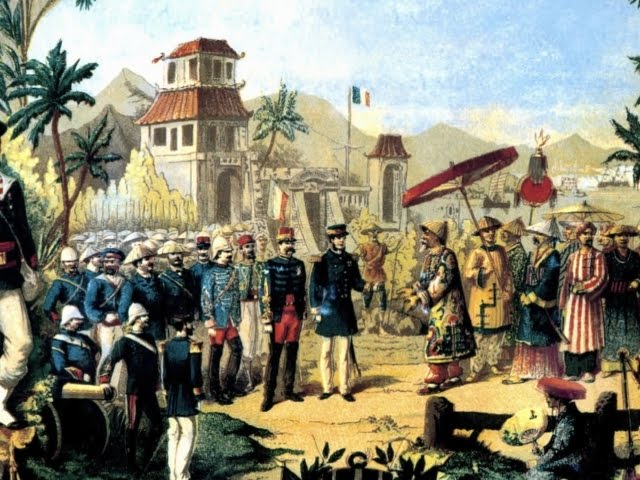
“The only pitched battle to be lost by a European army in the history of decolonisation.” That was how historian Jean-Pierre Rioux described the French Indochina War. At the latest stage of the war, battle of Dien Bien Phu located at a remote mountain valley in northwestern Vietnam. The Vietnamese brought down one of the world’s great colonial empires to it knees, only in 57 days in the spring of 1954.
The story of how France built its Indochina empire and how Vietnam destroyed it, spans nearly a century. It begins with missionary priests and gunboats in the 1850s, runs through rubber plantations and opium monopolies, through the rise of a revolutionary named Ho Chi Minh. Through eight years of guerrilla war that lead to a decisive battle of Dien Bien Phu. The French high-command made a fatal assumption about the struggle of Vietnamese people.
Key Facts: French Indochina War and Dien Bien Phu
| French Indochina established | 1887 |
| Territory | Vietnam (Tonkin, Annam, Cochinchina), Laos, Cambodia |
| First Indochina War | 1946–1954 |
| Battle of Dien Bien Phu | 13 March – 7 May 1954 (57 days) |
| French commander | General Henri Navarre / General Christian de Castries |
| Viet Minh commander | General Vo Nguyen Giap |
| French casualties | 2,200+ killed, 11,000 captured |
| POWs who made it home | Only 3,300 of 11,000 |
| Outcome | End of French colonial rule in Indochina |
Vietnam Before France: A Civilization That Refused to Be Erased
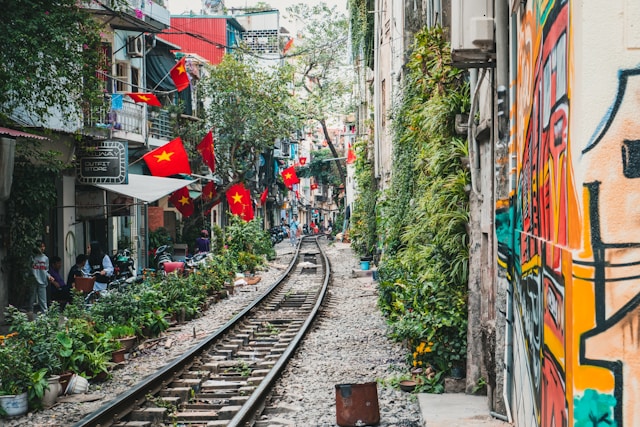
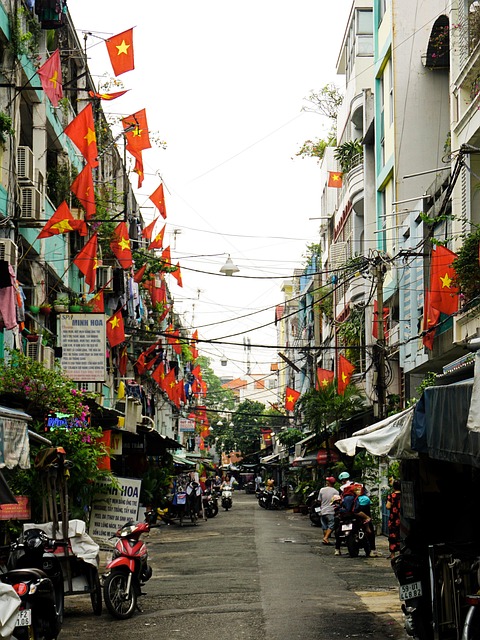
France did not arrive in an empty land. The civilization in Vietnam endured for thousands of years through Chinese domination, internal divisions, and centuries of dynastic rise and fall. Each dynasties had emerged from every challenge with its proud identity fiercely intact.
Vietnam spent over a thousand years under Chinese imperial control and spent much of that millenium resisting it. The legendary Trung Sisters led a rebellion against Chinese rule in 40 AD. The Le dynasty expelled the Ming Chinese in 1428 after twenty years of occupation. Every time Vietnamese independence was extinguished, it was eventually rekindled.
After a millennium of Chinese control over Southeast Asia and Vietnam ended in 969, a series of imperial dynasties ruled for the next 915 years. Those dynasties built sophisticated systems of governance, literature, art, and philosophy that were distinctly Vietnamese — not Chinese, not Indian, not anything else.
By the 19th century, the Nguyen dynasty, Vietnam’s last imperial rulers presided over a unified Vietnamese state stretching from the Chinese border to the Gulf of Thailand. It was into this world –proud, ancient, and acutely aware of its own civilization — that France arrived with its gunboats and its missionaries. For the full story of the dynasties that built Vietnam’s identity, read our article on Vietnam Dynasties and the Chinese influence on Vietnam.
France Arrives: From Missionaries to Military Conquest (1858–1887)
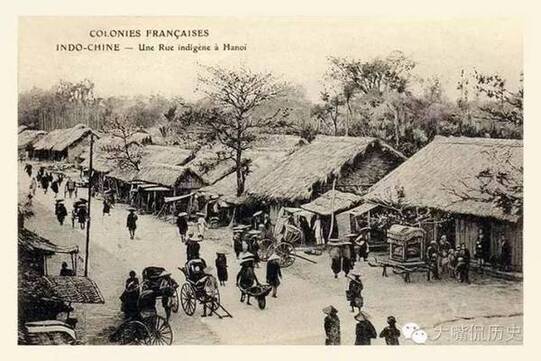
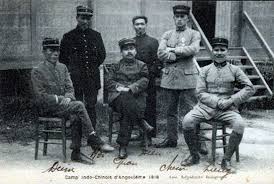
French traders began trading in Vietnam in the 17th century, eventually joined by French Christian missionaries. To protect them, French military began their conquest in 1858. The pattern of European colonialism in Asia followed similar pattern. Commerce and religion would come first, followed by military intervention to the region. France would use the same pattern in colonizing Vietnam.
The opening military strike came in September 1858, when a joint French and Spanish navy bombarded the port of Da Nang. Within a ear, the French forces occupied Saigon and begun the systematic conquest of Southern Vietnam. This region became known as Cochinchina, which became France’s first permanent Vietnamese foothold in 1862. A year later, Cambodia fell and became the French protectorate in 1863. Moreover, the northern regions of Vietnam including Tonkin and Annam, also brought under French control through the 1880s after a brief war with China.
By 1884, Vietnam, Laos and Cambodia had become a French colony known as French Indochina. The formal administrative entity — Union Indochinoise — was established in 1887, bringing five territories under a single French governor-general based in Hanoi.
What followed was a century of systematic extraction. French rubber plantations including those owned by Michelin — used conditions of near-slavery to produce rubber for European markets. An opium monopoly taxed addiction. A salt tax squeezed the poorest farmers. Vietnamese-language education was suppressed in favor of French, in a deliberate attempt to replace Vietnamese cultural identity with French civilization.
Ho Chi Minh and the Birth of Vietnamese Nationalism
No figure is more central to the story of French Indochina’s end than Nguyen Sinh Cung. This young man later known as Ho Chi Minh, and who dedicated his entire life to the single goal of Vietnamese independence.
A Young Man in Paris — The Petition Nobody Read
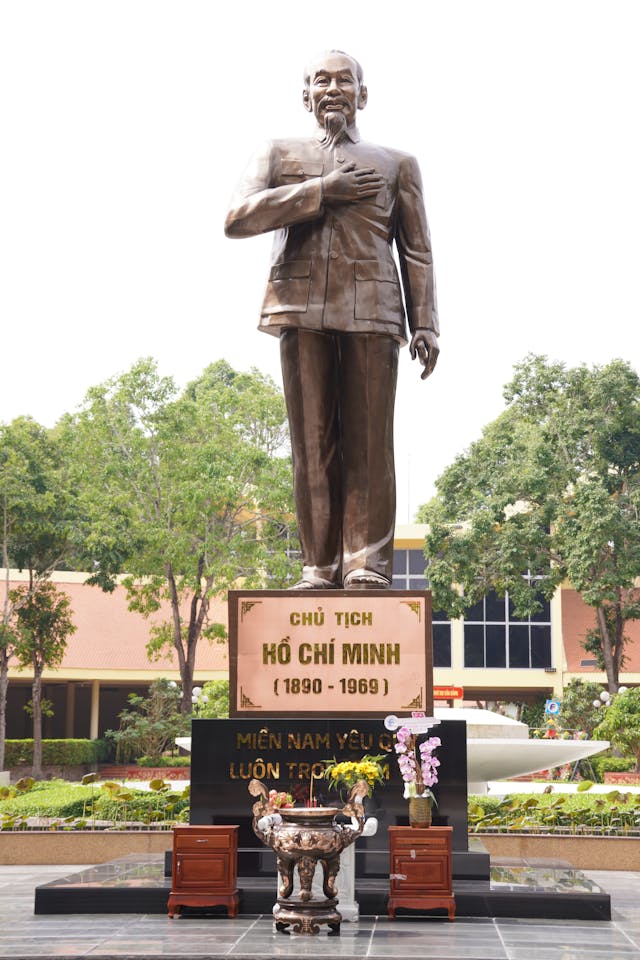
Born in 1890 in Central Vietnam, Ho Chi Minh left his homeland as a young man and spent years working across Asia, Africa, Europe, and America. He absorbed the political ideas of the wider world and searching a path to Vietnamese independence. He arrived in Paris after World War One, at the moment when Woodrow Wilson’s Fourteen Points — with their promise of national self-determination — seemed to offer colonized peoples everywhere a historic opportunity.
In 1919, Ho Chi Minh then going by the name Nguyen Ai Quoc, “Nguyen the Patriot” — drafted an eight-point petition calling for basic political rights for Vietnamese people under French rule. His points mentioned freedom of the press, freedom of association, release of political prisoners, equal legal rights. He dressed in a rented suit and attempted to present the petition to delegates at the Paris Peace Conference. However, nobody received him and the petition was ignored by President Wilson.
That ignored petition planted a seed. If the democratic West would not give Vietnam its freedom, Ho Chi Minh would look elsewhere. He found what he was looking for in the revolutionary ideas coming out of Moscow. He became a committed communist, because it offered an organizational framework and international support network that Vietnamese nationalism could not achieve alone.
The Viet Minh and the Declaration of Independence
In 1941, Ho Chi Minh returned to Vietnam after decades abroad and founder the Viet Minh (The League for the Independence of Vietnam). Viet Minch became a broad nationalist coalition that united communists, nationalists, and independence fighters under a single banner. When Japan occupied French Indochina during World War Two, the Viet Minh built its guerrilla networks in the jungle, waiting for the right moment.
That moment came on 2 September 1945, two days after Japan’s formal surrender. Standing in Ba Dinh Square in Hanoi before a crowd of hundreds of thousands, Ho Chi Minh read Vietnam’s Declaration of Independence — opening with the words of Thomas Jefferson. He proclaimed the Democratic Republic of Vietnam, hoping to prevent the French from reclaiming their former colonial possession. France, exhausted by World War Two and humiliated by its wartime collapse, had no intention of letting its empire go.
The First French Indochina War: Eight Years of Guerrilla War (1946–1954)
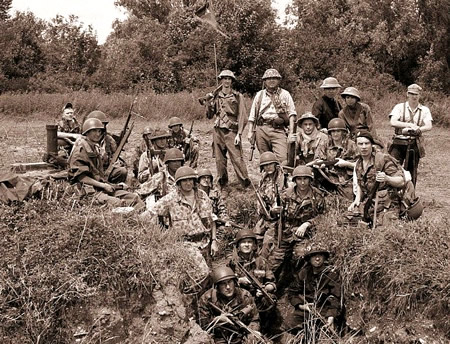
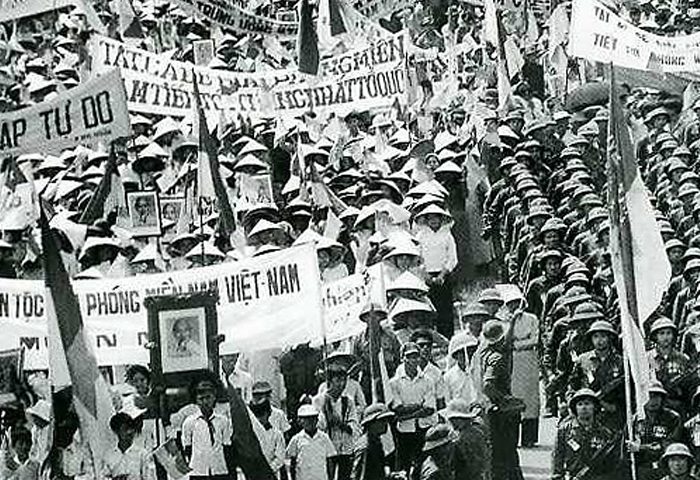
France returned to Indochina in 1945 fully intending to reclaim its empire as though the Japanese occupation had been nothing more than a temporary interruption. Ho Chi Minh had other ideas. What followed was eight years of grinding, costly, demoralizing war for France.
France returns — the Haiphong bombardment 1946
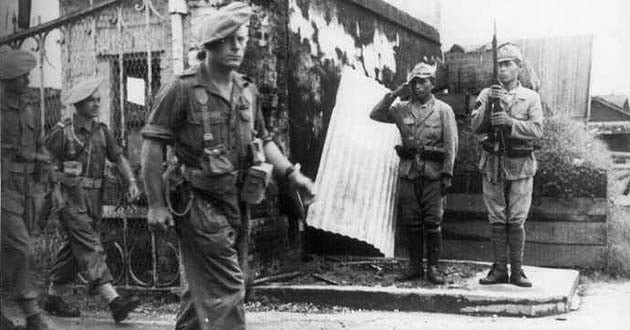
In the immediate aftermath of World War Two, France and the Viet Minh attempted a negotiated settlement. An agreement signed in March 1946 recognized Vietnam as a “free state” within the French Union. However, the agreement considered to be ambiguous enough that each side interpreted it differently.
The pretense collapsed within only few months. Tensions over customs control in Haiphong, escalated into open confrontation in November 1946. On November 23, 1946, French naval vessels bombarded the northern port city of Haiphong, resulting in significant Vietnamese casualties. The French fleet began a naval bombardment of the city that killed over 6,000 Vietnamese civilians in an afternoon according to one source.
The bombardment of Haiphong became the French political statement. France was telling Vietnam that it had no intention of honoring the March 1946 agreement and that resistance would be met with overwhelming force. On 19 December 1946, 30,000 Viet Minh led by Vo Nguyen Giap launched the first large-scale attack against French forces in an attempt to drive them from Hanoi. The attack failed to retake the capital, but it marked the formal beginning of the First Indochina War.
General Vo Nguyen Giap — the military genius of the resistance
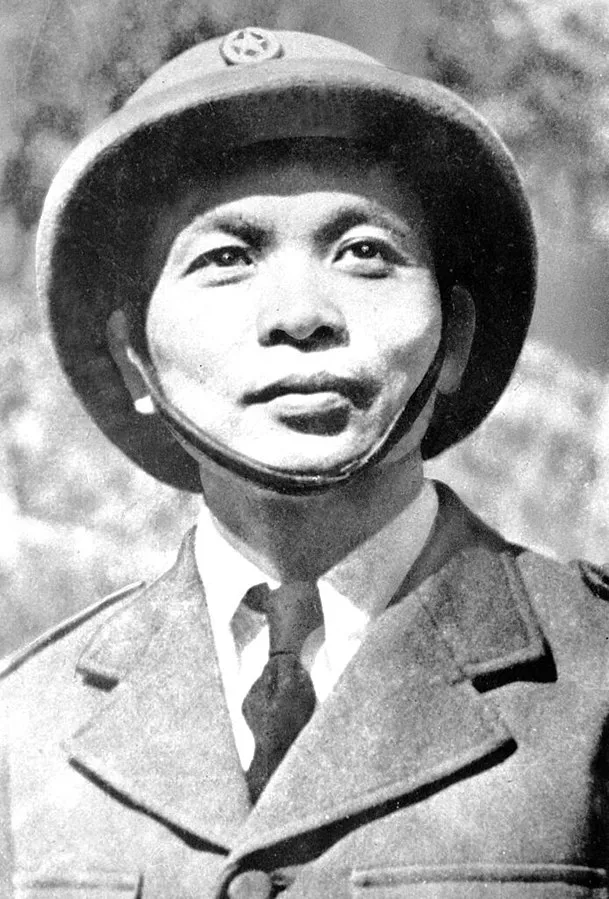
General Vo Nguyen Giap led the early Viet Minh resistance against the France. He was known as a former history teacher who never attended any military academy. He learned warfare from books and watching the Japanese occupation in the past few years. Later, he would become one of the most prominent military commanders of the twentieth century.
Giap studied Napoleon, Lawrence of Arabia and Mao Zedong. From many of these leaders, Giap absorbed Mao’s insight completely. He believed that a military weaker force could defeat a stronger one by refusing to fight on the enemy’s terms, exhausting it over time, and gradually shifting the balance of political will until the stronger power found the cost of continuing the war unbearable.
Giap’s strategy had three phases: guerrilla harassment, then mobile warfare, then conventional offensive operations. The Viet Minh inspired to attempt to keep the French bogged down in urban areas and guarding communications. Strategic thinking and ability to maintain an army under impossible conditions made General Giap a truly formidable commander. He turned the jungle from an obstacle into a weapon, and turned peasants into soldiers through a combination of political education, discipline, and genuine nationalist conviction.
Eight years of jungle guerrilla war — France slowly bleeding out
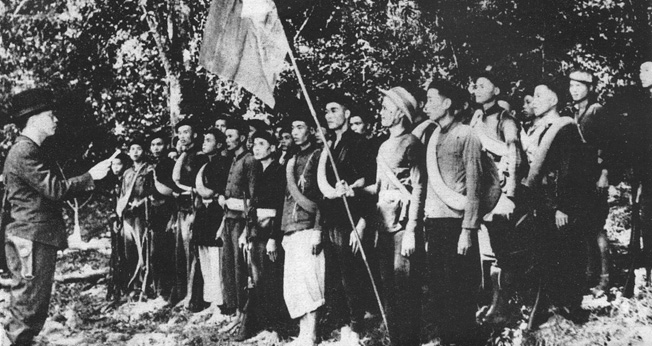
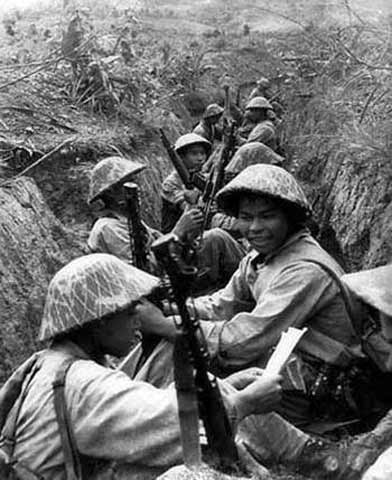
By 1949, France deployed around 150,000 troops, many of whom were tied down on defensive tasks. The French controlled the cities, the major roads, and the coastal plains. At night, in the jungle, in the villages, the Viet Minh controlled everything.
French forces would sweep through a region, clear it of Viet Minh fighters, declare victory, and move on. Within weeks the Viet Minh would return, the villages would quietly resume providing food and intelligence to the resistance, and the French would be no closer to a decisive result than before. Operation Lea in October 1947, a major French offensive designed to capture the Viet Minh leadership in their northern base — came agonizingly close to catching Ho Chi Minh and Giap but ultimately failed.
While the operation inflicted heavy casualties on the Viet Minh, it failed to capture Ho Chi Minh or significantly weaken the resistance, showcasing the difficulties the French faced in countering guerrilla tactics. Meanwhile France paying an enermous cost in blood and money. Casualties mounted steadily and conscripts rotated home disillusioned. The French public began to call it the “Dirty War”.
The Battle of Cao Bang 1950 — France’s first major defeat
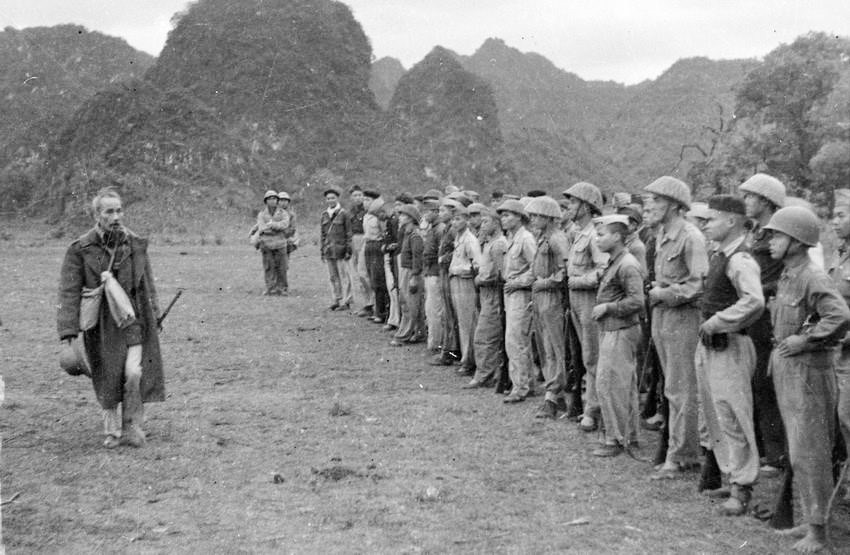
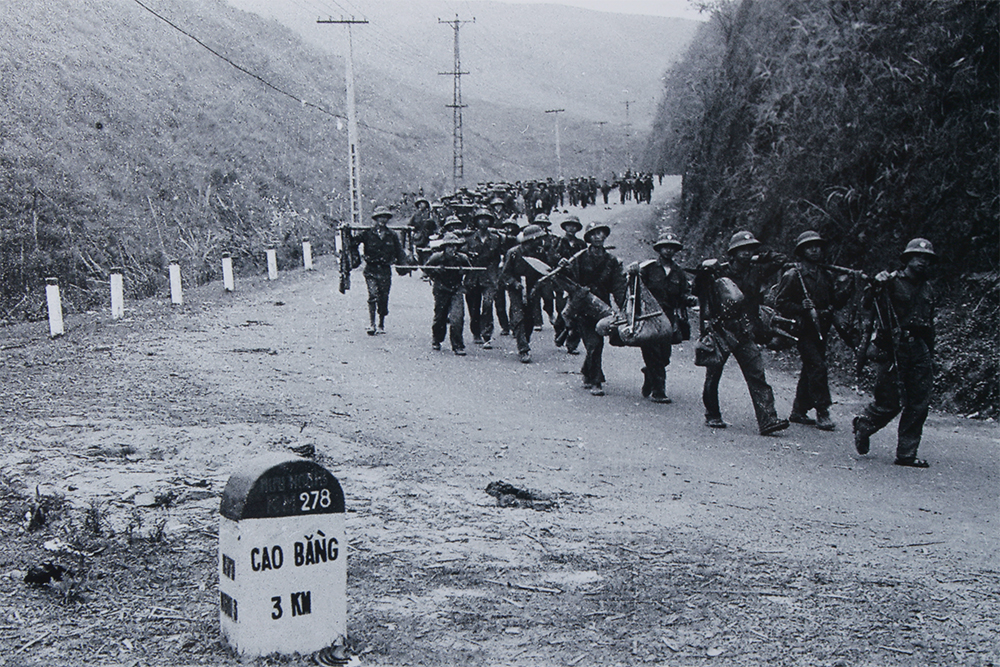
The strategic situation shifted dramatically in 1950 after Mao Zedong’s forces won the Chinese Civil war. With a new ally and a set of new fighting divisions, Giap intensified attacks on isolated French bases along Vietnam’s northern border with China. China began supplying the Viet Minh with weapons, ammunition, and military advisors. These actions transformed Giap’s guerrilla force into something approaching a conventional army.
In the autumn of 1950, Giap launched his offensive against Cao Bang as well as Dong Khe on September 15. Dong Khe fell on September 18, and Cao Bang finally fell on October 3. During the late stage of the battle, the Viet Minch achieved a significant victory by ambushing and annihilating a French convoy attempting to withdraw from Cao Bang. The Viet Minch ambushed the French convoy along route 4 and took full control of the region.
The victory boost the Viet Minh’s moral and fighting spirit. However, the defeat cost psychological impact for the French public and military. The army that France had dismissed as peasants in black pyjamas had just annihilated a professional French force in open battle. The myth of French military invincibility in Indochina was shattered — and with it, a great deal of French confidence in the ultimate outcome of the war.
The search for a decisive battle — both sides seek an end
By 1953, the war had ground into a stalemate that satisfied nobody. France had spent seven exhausting years without a decisive result, with American funding covering roughly eighty percent of the war’s costs. However, victory remained out of reach and French public opinion was turning decisively against the conflict.
General Henri Navarre, appointed French commander-in-chief in 1953, needed a breakthrough. General Navarre decided to fortified based deep in the remote northwest — positioned to threaten Viet Minh supply lines into Laos and daring Giap to attack on French terms. Giap accepted the invitation. Eight years of guerrilla war had given him a battle-hardened, politically disciplined army now equipped with Chinese artillery. He had learned from Na San in 1952 never to assault a fortified French position without first controlling the surrounding high ground. He would not repeat that mistake at Dien Bien Phu.
The Trap at Dien Bien Phu: The Battle That Ended French Indochina (March–May 1954)
Operation Castor — France occupies the Dien Bien Phu valley
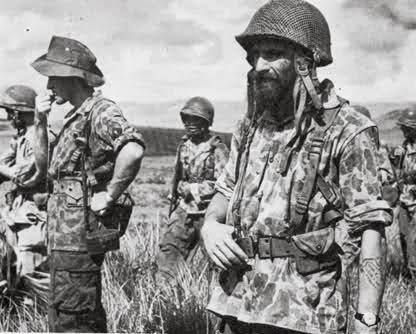
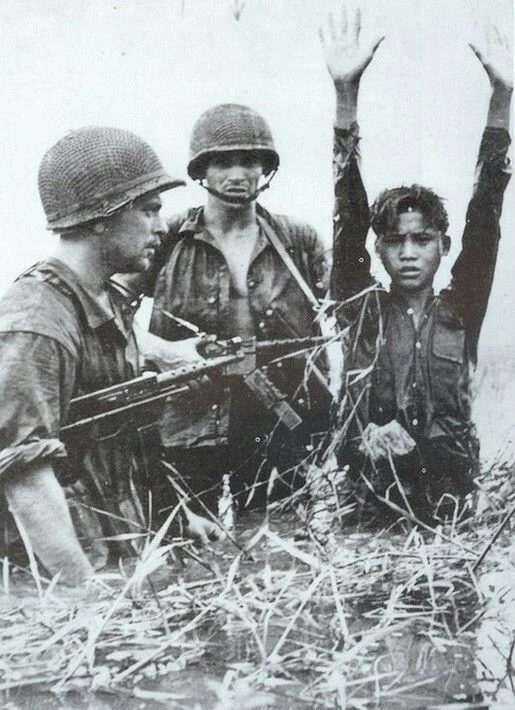
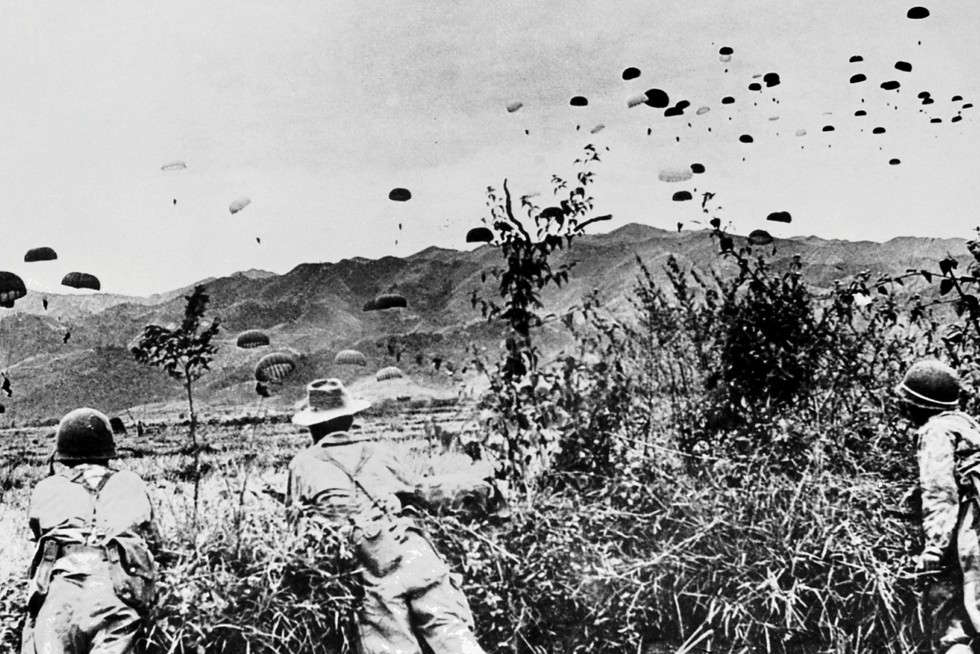
Dien Bien Phu located in the remote northwest highlands of Vietnam. It sits near the Laotian border — a heart-shaped basin surrounded on all sides by steep, jungle-covered hills. In November 1953, French General Henri Navarre ordered paratroopers to drop into the valley and establish a fortified base. The strategic logic was straightforward: Dien Bien Phu sat astride Viet Minh supply routes into Laos. A strong French garrison there would force Giap to attack it — and on the flat valley floor, with French artillery and air support, the Viet Minh would be destroyed.
The French assume that Giap could not bring artillery to the valley due to the extreme terrain. The nearest road capable of supporting heavy vehicles located over 500 kilometers away. Between it and Dien Bien Phu lay some of the most rugged terrain in Southeast Asia: mountain passes above 1,500 meters, triple-canopy jungle, rivers without bridges, and trails that dissolved in the rain. No Western army would have attempted it.
French Colonel Charles Piroth was very confident that the Viet Minch could not effectively deployed in the surrounding hills. The French forces wrongly assumed that the Viet Minh had no anti-aircraft weapons. The entire French plan rested on these assumptions. Every single one was wrong.
Giap’s miracle — dragging artillery through jungle mountains by hand
While the French focus on building their base on the valley floor, Giap used 250,000 porters and transporters to moved 20,000 tons of supplies. These supplies include artillery pieces, ammunition, and food through 100 kilometers of mountainous terrain.
Tens of thousands of farmers were drafted to carry dismantled artillery and weapons into the hills around Dien Bien Phu. Reinforced bicycles were loaded with hundreds of pounds of supplies and pushed up muddy tracks. The Viet Minh disassembled howitzers and anti-aircraft guns piece by piece, hauled them by hand up jungle mountain slopes, and reassembled them in carefully camouflaged positions overlooking the French garrison far below.
By the start of 1954, Giap organized around 50,000 Viet Minh troops and marched them to the hilltops of Dien Bien Phu. Local peasants, including women supported the troops by providing labour, building roads, clearing jungle, and hauling equipment. Giap waited four months, watching the French build their base, watching their routines, watching their vulnerabilities.
13 March 1954 — the opening bombardment shocks the French
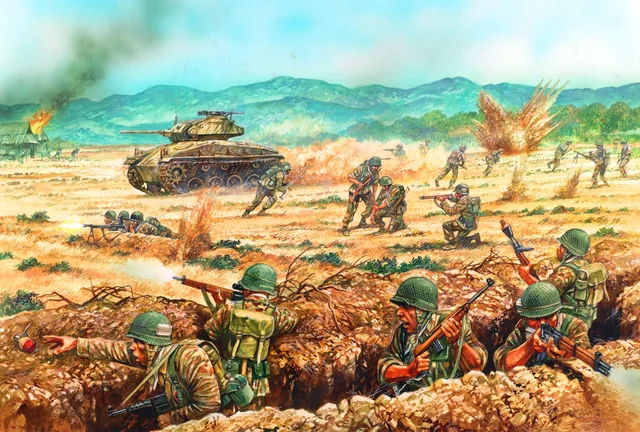
At 5:00 p.m on March 13, 1954, the ridgelines surrounding the Muong Thanh Valley erupted. Shells slammed into strongpoint Béatrice, at a rate that veterans of the garrison would later compare to the worst barrages of the Second World War.
The effect on the French was immediate and devastating not just physically but psychologically. The artillery they had been told could never reach them rained down from every surrounding hilltop simultaneously. Colonel Piroth was so shattered by the realization of his catastrophic miscalculation that he withdrew to his bunker and killed himself with a grenade. In only a few hours, Strongpoint Béatrice fell to the Viet Minch. The battle had barely begun and the French plan was already in ruins.
The airstrip falls — 16,000 men cut off from resupply
The next day, Giap’s artillery disabled the airstrip and his troops attacked and captured another perimeter garrison. With the airstrip out of action, the entire French garrison, roughly 16,000 men was cut off from ground resupply. Everything supplies they needed would have to come by parachute drop. And the Viet Minh anti-aircraft guns, positioned on the surrounding heights, made those drops increasingly costly and inaccurate as the siege wore on.
The Viet Minh had achieved artillery superiority through careful positioning, camouflage, and supply. Their guns were dug into mountain slopes with overhead protection, making them difficult to locate and destroy. French counter-battery fire and air strikes proved largely ineffective against these positions.
57 days of siege — the slow strangling of the French garrison
What followed was one of the most brutal sieges of the twentieth century. Viet Minh tactics evolved from human wave assaults to methodical siege warfare. Giap’s forces constructed elaborate trench systems that gradually encroached on French positions, protecting advancing infantry and enabling the placement of explosives directly against defensive works. This approach minimized casualties while maintaining constant pressure.
The French strongpoints started fell one by one. Gabrielle fell on 15 March. Anne-Marie was abandoned. Huguette, Claudine, and Eliane shrank under relentless pressure. Parachute drops became increasingly hazardous as Viet Minh anti-aircraft fire intensified. Supplies often fell outside the French perimeter directly into Viet Minh hands.
7 May 1954 — the Viet Minh flag flies over French headquarters
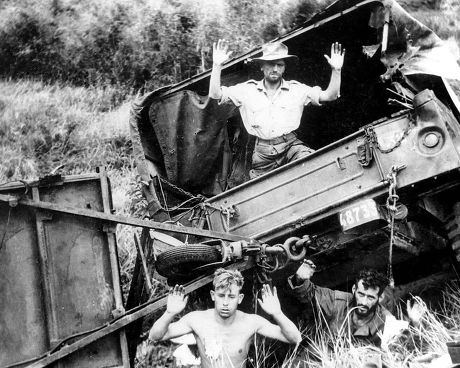
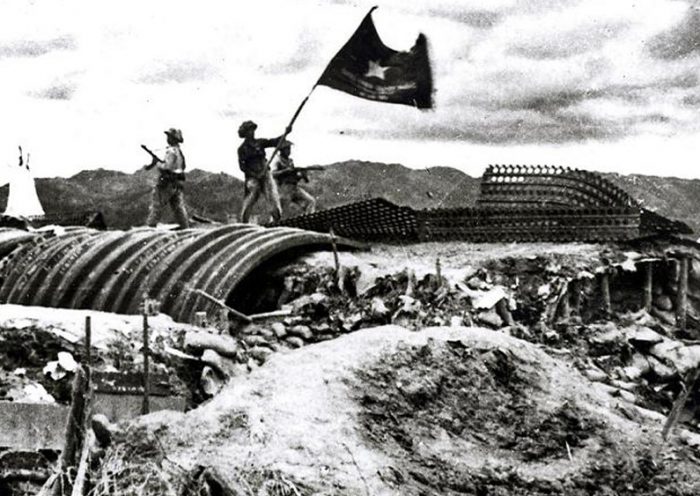
The end came on May 7, as the last shred of French resistance crumbled, and a triumphant Vietnamese soldier stood atop the conquered French headquarters waving the red and yellow Viet Minh flag in victory.
The 57-day battle completely rout the French army, which lost more than 2,200 soldiers killed in action, and almost 11,000 more who were captured, including more than 5,100 who were wounded. Only about 3,300 of the French prisoners of war made it home. Thousands died in captivity as the French negotiated its exit from Indochina during the 1954 Geneva Conference.
Legacy: What Dien Bien Phu Left Behind — and Why It Still Matters
The Geneva Accords 1954 — partition at the 17th parallel
Within weeks of the battle’s end, delegates gathered in Geneva to negotiate the terms of France’s exit from Indochina. The terms of the July 1954 peace agreement called for temporary partition dividing North and South Vietnam that supposed to end with unified national elections in 1956. However, the election never happened. The United States, fearing a communist electoral victory, backed the South Vietnamese government’s refusal to hold them. The temporary partition became permanent and the political framework for the Vietnam War was set in place.
After the France exit Vietnam, United States took the power vacuum in Vietnam. American military advisors and money flowed to the Saigon government. Within a decade, American combat troops would be fighting in the same jungles where the Viet Minh had humiliated France. The lesson of Dien Bien Phu shows that a determined, patient, locally-rooted guerrilla army could defeat a technologically superior Western power. The United States would spend the next twenty years discovering it for themselves.
Dien Bien Phu as global inspiration for anti-colonial movements
During the battle’s 70th anniversary, Vietnam’s Prime Minister stated that the historic Dien Bien Phu victory as a remarkable event, not only for the Vietnamese revolution. It became a monumental point that inspired countries rising up to fight for independence and freedom, leading to massive collapse of colonialism all over the world.
From Algeria to Kenya to Cuba, anti-colonial independence movements drew inspiration from the image of a peasant army defeating a European empire. Dien Bien Phu proved that colonial rule was not permanent. It could be ended, not through petitions and conferences, but through organized, disciplined resistance.
The French Legacy in Vietnam Today
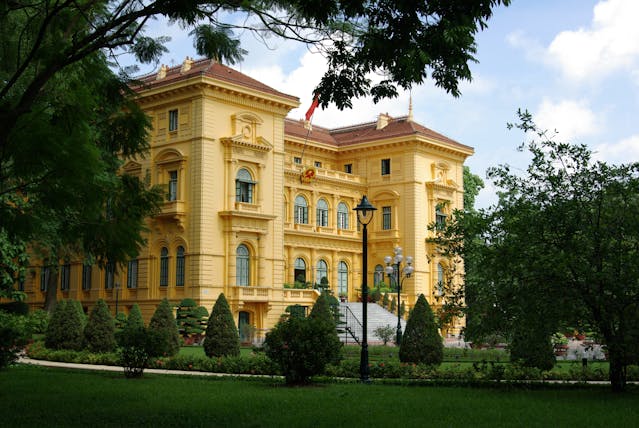
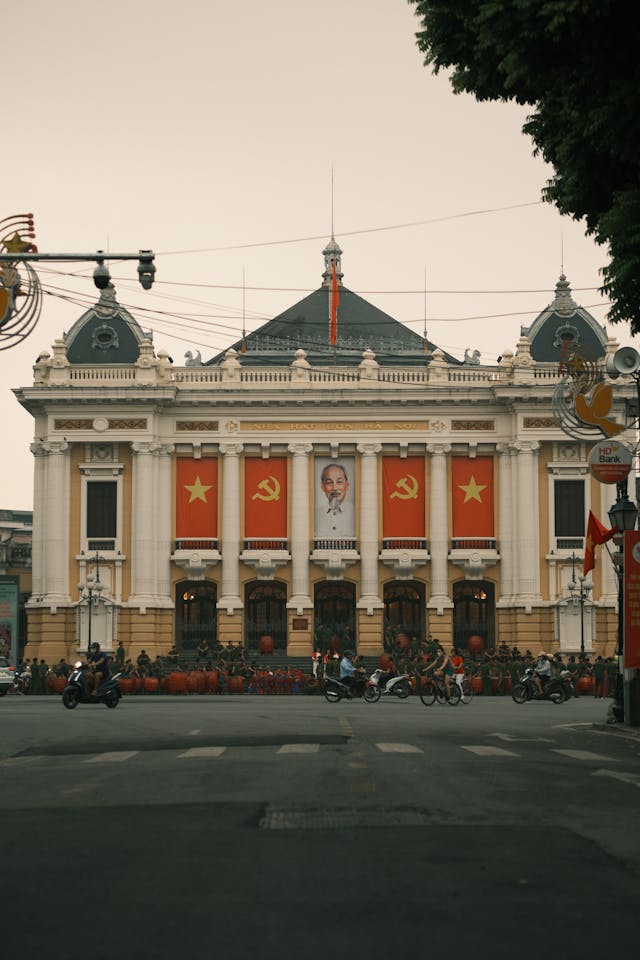
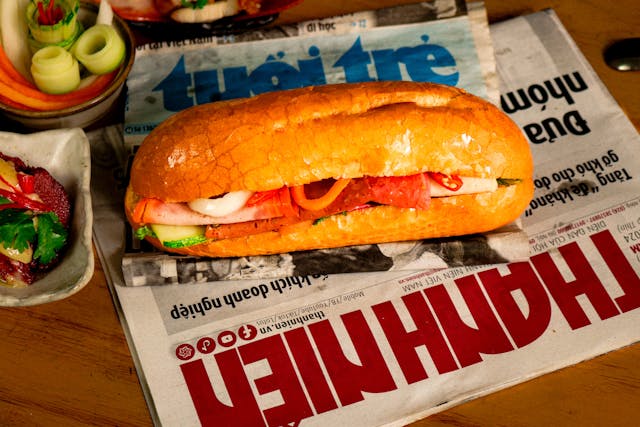
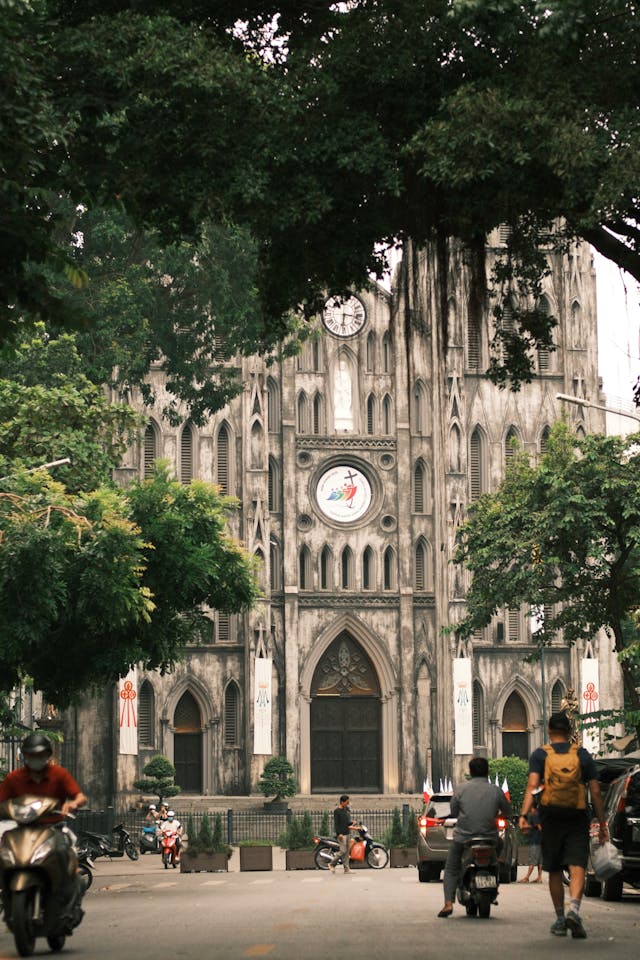
Despite the violence of colonial rule and the bitterness of its ending, France left a complex and ambivalent legacy in Vietnam, Laos, and Cambodia. The French-built boulevards of Hanoi, the colonial architecture of Ho Chi Minh City’s Notre-Dame Cathedral and Central Post Office, the baguettes in Vietnamese bakeries, the coffee culture that produced Vietnam’s extraordinary café tradition.
All of these are living remnants of nearly a century of French presence. French remains a language of culture and diplomacy in parts of Indochina. The relationship between France and its former colonies — fraught, complicated, and still being worked through.
From the gunboats of 1858 to the Viet Minh flag of 1954, the story of French Indochina is ultimately a story about the limits of imperial power. It also shows the extraordinary human capacity for resistance when a people refuses to accept that their civilization does not matter. Ho Chi Minh’s ignored petition in Paris in 1919 became the Viet Minh flag over Dien Bien Phu in 1954. It took 35 years — but the answer, when it finally came, shook the world.
For more on the broader WW2 context that shaped Indochina’s path to independence, read our articles on the Fall of Singapore and the story of Adnan Saidi — the last defender of Malaya in the same wartime era.
References
- Burke, J. (2015) Dien Bien Phu: The Epic Battle That Ended the French Indochina War. London: Osprey Publishing. ISBN 9781472807568
- Warren, J. (1994) Dien Bien Phu: The Epic Battle That Ended the French Empire in Indochina. New York: Da Capo Press. ISBN 9780306805160
- Ocean, S. (2014) ‘Dien Bien Phu: The Tactical Innovation That Defeated a Superpower’, Journal of Military History, 78(2), pp. 567–592.
- History.com (2014) Battle of Dien Bien Phu. Available at: https://www.history.com/articles/battle-of-dien-bien-phu
- Wavell Room (2021) The Fortress of Broken Dreams: Strategic Lessons of Dien Bien Phu. Available at: https://wavellroom.com/2021/09/10/the-fortress-of-broken-dreams-dien-bien-phu/
- Hoover Institution (2017) The Lessons of Dien Bien Phu. Available at: https://www.hoover.org/research/lessons-dien-bien-phu
- U.S. Department of State, Office of the Historian (n.d.) Dien Bien Phu and the End of French Indochina. Available at: https://history.state.gov/milestones/1953-1960/dien-bien-phu