
Vietnam’s history is not just a story of kings and kingdoms, it shows story of resilience and survival. Across centuries, powerful dynasties rose and fell, leaving legacies and systems to modern-day Vietnam. From resisting stronger foreign powers and building uniquely Vietnamese identity, these Vietnam dynasties laid the foundation of Vietnam.
In this article, we will explore Vietnam’s greatest dynasties from the beginning of Chinese control until the modern-time. We will analyze how their legacy continues to influence modern Vietnamese society, politics and culture.
Influential Vietnam Dynasties in the Past
1. Lý Dynasty (1009–1225): The Foundation of Independence

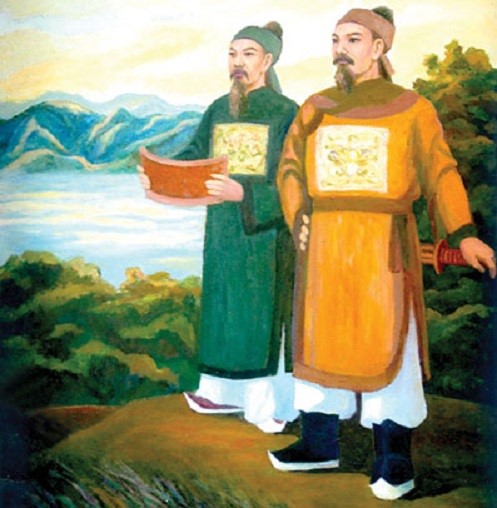
The Lý Dynasty marked the true beginning of independent and stable Vietnam. After centuries under Chinese rule, Lý Công Uẩn ( or known as Emperor Lý Thái Tổ), a former military commander established the dynasty in 1009. The period laid the political, cultural and spiritual foundation of Vietnam.
Recognizing the need for a stronger and more centralized state, the new emperor made one of the most important decisions. He relocated the capital from Hoa Lư to Thăng Long (modern-day Hanoi) in 1010. The city later become the capital city of modern Vietnam and remain to be Vietnam’s political center for centuries.
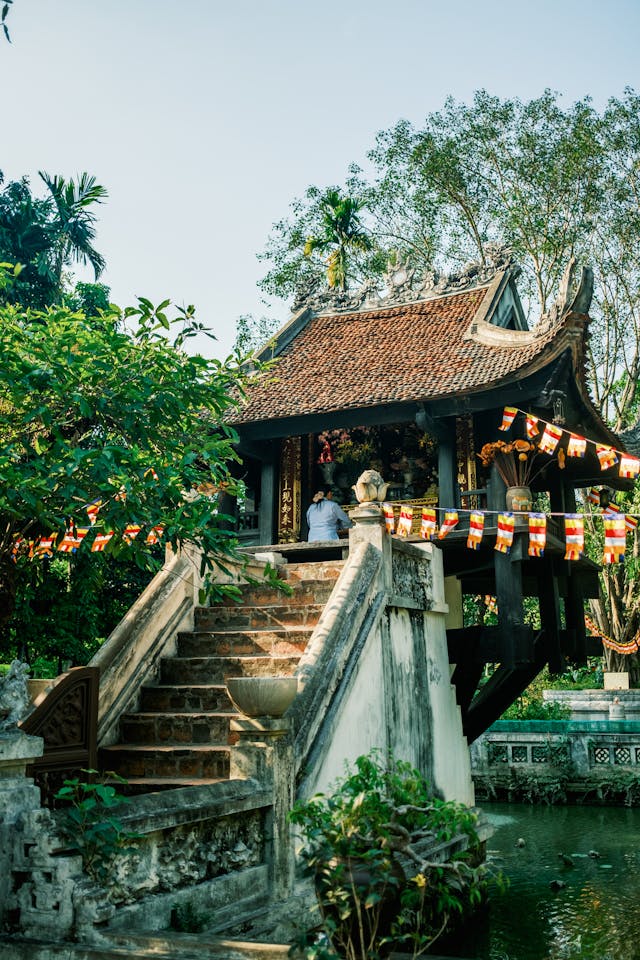
The Lý Dynasty also strongly promoted Buddhism, which shaped Vietnamese society at every level. It influenced Vietnamese society from architecture, art, ethics and daily life. During this period, temples and pagodas flourished across the kingdom, and monuments like One Pillar Pagoda still stand today as symbols of spirituality.
Politically, the dynasty established a stable monarchy throughout the period. Despite ongoing threats from China’s Song Dynasty, the Lý successfully defended their independence through strong military organization and strategic planning. These victories reinforced Vietnam’s sovereignty and strengthened a growing sense of national unity.
The legacy of Lý Dynasty remains deeply visible in modern Vietnam. It laid the foundations of independence, defined Hanoi as the enduring capital, and helped shape a distinct cultural identity rooted in both resilience and spirituality. More than just a ruling period, the Lý Dynasty represents the birth of Vietnam as a unified and self-determined nation.
2. Trần Dynasty (1225–1400): The Spirit of Resistance
The Trần Dynasty is remembered as one of the most heroic periods in Vietnamese history, defined by resilience, unity, and extraordinary military success. Rising to power in 1225 after the decline of the Lý Dynasty, the Trần rulers quickly consolidated authority and prepared the kingdom for external threats.
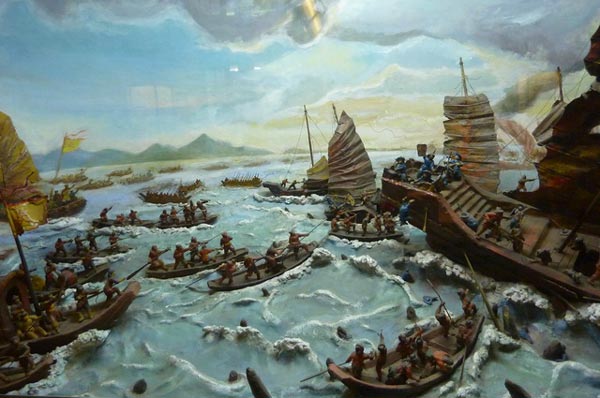
Their greatest challenge came from the Mongol Empire under Kublai Khan, whose forces had conquered vast territory of Asia and Europe. During this period, Vietnam faced three major Mongol invasions in 1258, 1285, and 1288. Against all odds, Vietnamese under the Trần Dynasty repelled these invasions.
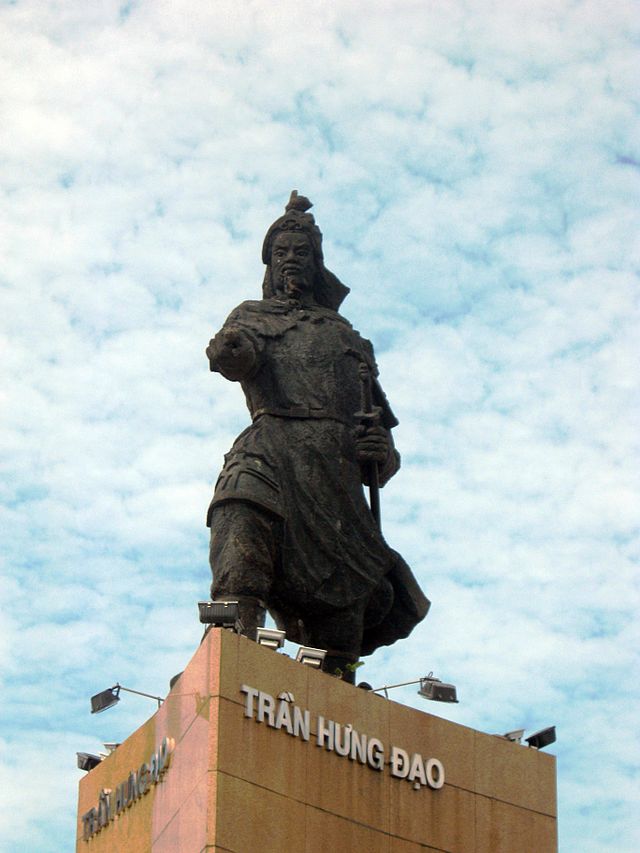
A brilliant military strategist, Trần Hưng Đạo, implemented guerilla tactics and succesfully coordinate the local population with the army. The famous victory came at the battle of Bạch Đằng River in 1288, where Vietnamese forces used hidden wooden stakes beneath the water to destroy the Mongol fleet.
Beyond the battlefield, the Trần Dynasty maintained a stable political system that emphasized loyalty, discipline, and collective responsibility. The royal family often shared power internally, which helped maintain unity during times of crisis.
The legacy of the Trần Dynasty extends far beyond its military victories. It established a lasting national identity rooted in resistance against foreign domination and the belief that Vietnam could stand strong against even the greatest powers. This spirit would later influence Vietnam’s struggles against colonial forces and remains a defining element of its historical narrative today.
3. Lê Dynasty (1428–1789): Governance and Confucian Orde
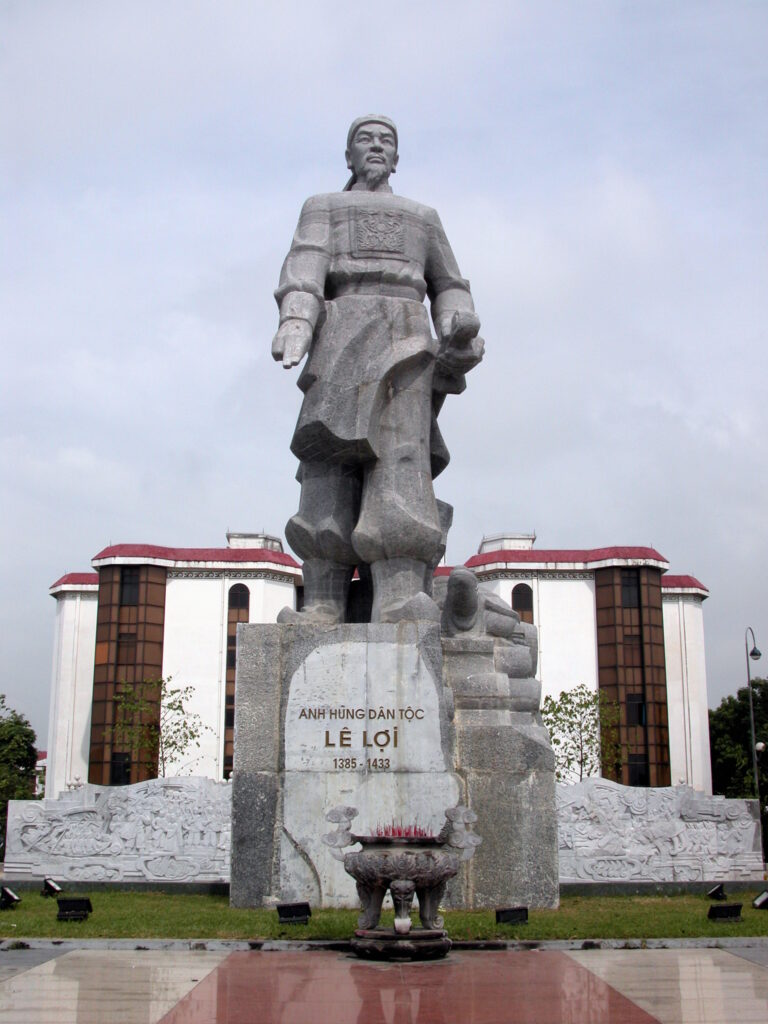
The Lê Dynasty was founded by Lê Lợi in 1428 after the successful Lam Sơn uprising, which ended Ming Chinese occupation. The establishment of the new dynasty help in restoring Vietnam’s independence and building one of the most structured and sophisticated governments in Southeast Asia.
Earlier dynasties adopted and emphasize the practice of Buddhism. However, the Lê rulers adopted Confucianism as the foundation of governance. The new adoption of confucianism brought massive influence of Vietnam’s order, hierarchy, and meritocracy. The state introduced a civil service examination system, allowing individuals to rise through education rather than noble birth.
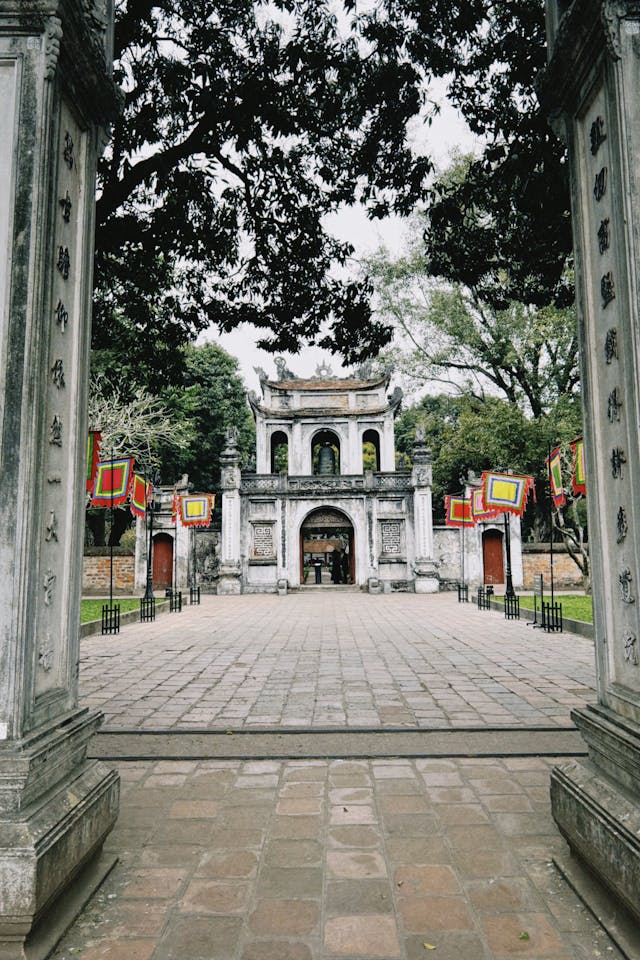
Institutions such as the Temple of Literature in Hanoi became centers of learning, while scholars and officials played a key role in administration. The legal system was also strengthened through the Hồng Đức Code, one of the most comprehensive law codes in Vietnamese history.
Under the Lê Dynasty, Vietnam experienced relative stability and territorial expansion, particularly toward the south. The government maintained tight administrative control through a well-organized bureaucracy, helping to ensure consistency in governance across the kingdom. Education, discipline, and respect for authority became deeply embedded in society, shaping social values that continue to influence Vietnam today.
The legacy of the Lê Dynasty lies in its lasting impact on governance and culture. It established the foundations of Vietnam’s bureaucratic system, reinforced the importance of education, and formalized social structure and hierarchy. More than just a period of recovery after foreign rule, the Lê Dynasty defined how Vietnam would be governed for centuries, leaving a profound imprint on the nation’s identity.
4. Tây Sơn Dynasty (1778–1802): Revolution from Below
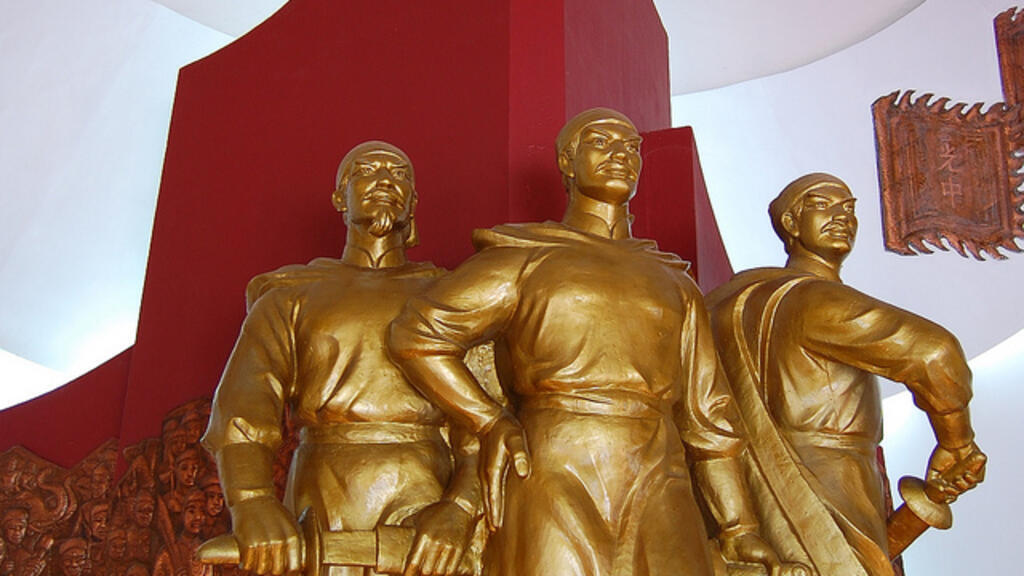
The Tây Sơn Dynasty stands out as one of the most dramatic and unconventional periods in Vietnamese history. Its leaders born not from royal lineage but from a popular uprising and rebellion. It began in 1778 when three brothers, most notably Nguyễn Huệ, led a rebellion against corrupt officials and entrenched elites.
The rebellion started as a regional revolt, quickly grew into a nationwide rebellion that challenged internal divisions and foreign threats. The Tây Sơn forces achieved a series of remarkable military victories. They overthrew the Nguyễn lords in the south and the Trịnh lords in the north, effectively ending decades of division within Vietnam.
Their greatest triumph came in 1789, when Nguyễn Huệ, crowned as Emperor Quang Trung, defeated a massive Qing invasion from China in a swift and decisive campaign. This victory not only secured independence but also reinforced Vietnam’s long-standing reputation for resisting foreign domination.
Beyond the battlefield, the Tây Sơn Dynasty attempted to implement meaningful reforms aimed at reducing inequality and corruption. These included redistributing land, limiting the power of traditional elites, and promoting a more balanced social structure.
However, despite its ambitions, the dynasty struggled with internal stability and lacked the administrative depth needed to sustain long-term rule. The reign of the Tây Sơn Dynasty lasted only for 24 years. However, their dynasty symbolizes resistance against injustice and an idea that political power can rise from the ordinary people.
5. Nguyễn Dynasty (1802–1945): Unity and Transition to Modernity
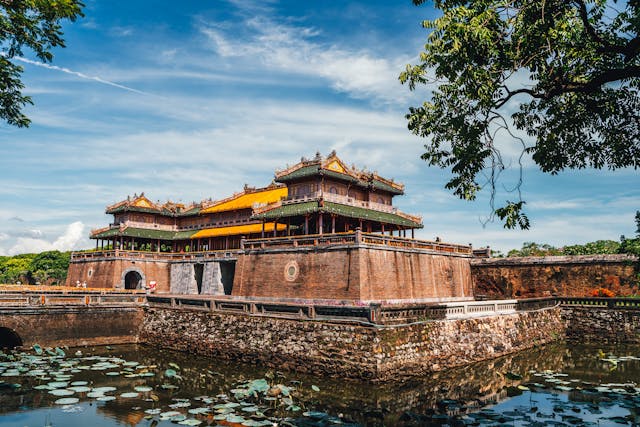
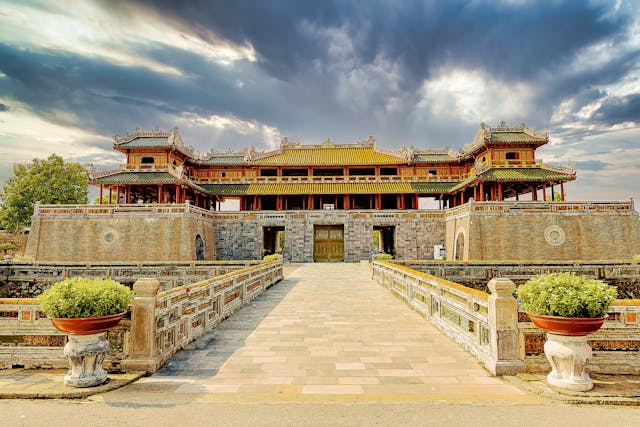
The Nguyễn Dynasty was the last imperial dynasty of Vietnam and one of the most important in shaping the country’s modern territorial identity. The Nguyễn Dynasty was founded in 1802 by Gia Long, who successfully unified Vietnam after decades of internal conflict between warlords and rival factions.
He established Huế as the imperial capital and created a centralized monarchy that sought to restore order and stability across the country. Under the early Nguyễn rulers, Vietnam experienced relative consolidation and administrative organization. However, the dynasty governed during a time of growing external pressure from European powers, especially France.
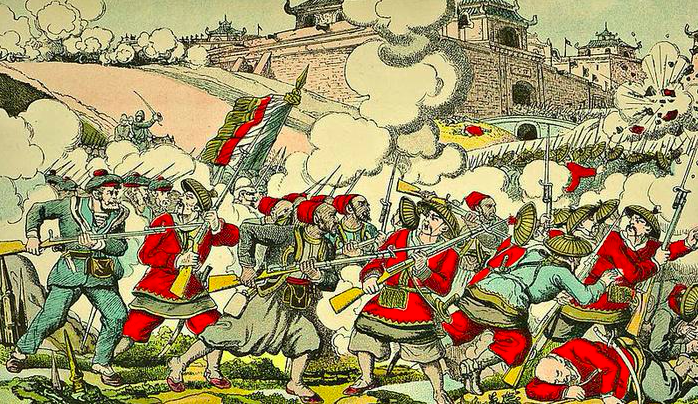
By the mid-19th century, French military and economic expansion increasingly weakened Vietnamese sovereignty, leading to gradual colonization. Despite resistance efforts, Vietnam eventually became part of French Indochina, marking a major turning point in its history.
Even under colonial rule, the Nguyễn Dynasty remained a symbolic institution of Vietnamese identity. The imperial court in Huế continued to exist in a limited form, preserving cultural traditions, Confucian rituals, and royal heritage. However, real political power had largely shifted to colonial authorities, and the dynasty’s influence steadily declined.
The dynasty formally ended in 1945 when Bảo Đại abdicated, transferring authority to revolutionary forces. This moment marked the end of over a thousand years of monarchy in Vietnam and the beginning of a new era defined by nationalism, independence movements, and modern state-building. The Nguyễn Dynasty thus represents both the unification of Vietnam and its transition into the modern historical era.
Conclusion: The Past Lives On in Modern Vietnam
Modern Vietnam is not only the result of modern development, it was massively influenced by dynastic rule, cultural evolution and repeated struggles in defending their independence. Each Vietnam dynasties, whether it was the state-building of the Lý, the resilience of the Trần, the administrative order of the Lê, the revolutionary spirit of the Tây Sơn, or the unification under the Nguyễn, played a role in shaping the nation’s identity.
From the establishment of Thăng Long as a lasting capital to the repeated defense against powerful foreign empires, these dynasties built a consistent national story centered on sovereignty, endurance, and adaptation. Even when Vietnam faced internal divisions or colonial pressure, the foundations laid by these earlier eras continued to influence how the country organized itself and defined its identity.
Understanding Vietnam’s dynasties is therefore not just a study of historical rulers, it is a way of understanding the deeper roots of modern Vietnam. The values of independence, resilience, education, and cultural pride were not created overnight; they were built layer by layer across centuries of history, and they continue to shape Vietnam today.
References
https://www.tota.world/article/862
https://vinpearl.com/en/era-of-vietnam-dynasties
https://vocal.media/history/a-quick-summary-of-vietnamese-history-over-4000-years