
Tomé Pires, a Portuguese trader who visited Malacca in the early 16th century made statement on Malacca sultanate. “Whoever is Lord of Malacca shall have his hands on the throat of Venice”. His statement is not an exaggeration, he noticed that the Malacca sultanate controlled the most strategic vital waterway on earth, known as the strait of Malacca.
The strait of Malacca connect the Indian ocean and the South China sea. Items such as spices, porcelain, tin, and gold passed through its port in quantities that made richest cities in Europe look provincial by comparison. Yet, Malacca did not began as a great power. It began from of a humble beginning of a small fishing village.
From the humble beginning, the Malacca sultanate rose in less than a century to become the commercial, cultural, and religious capital of maritime Southeast Asia. This civilization would later shapes Malaysia, Indonesia, Singapore, Brunei, and even other parts of Southeast Asia. This is the full story of the Malacca Sultanate – from its dramatic founding to its violent fall, and the legacy it left behind.
Key Facts: Malacca Sultanate at a Glance
| Founded | c. 1400 by Parameswara (Iskandar Shah) |
| Capital | Malacca (modern-day Melaka, Malaysia) |
| Peak territory | Malay Peninsula, Riau Islands, parts of Sumatra |
| Religion | Islam (from early 15th century) |
| Official language | Classical Malay — lingua franca of Maritime SEA |
| Greatest ruler | Sultan Mansur Shah (r. 1459–1477) |
| Fell | 1511 — Portuguese conquest under Afonso de Albuquerque |
| Legacy | Malay language, Islam in SEA, Malaysian national identity, UNESCO World Heritage Site |
Before Malacca: The World Parameswara Was born into
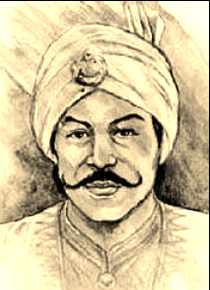
To understand the founding of Malacca, you first need to understand the world it was born into. A Maritime Southeast Asia in political flux, with old empires fading and a dangerous power vacuum waiting to be filled.
The decline of Srivijaya and the power vacuum
For over six centuries, the Srivijaya empire had dominated the Maritime Southeast Asia from its base in Palembang, Sumatra. However, their power slowly declined after series of invasion by the Chola Empire in the 11th century. Once the greatest regional power in Southeast Asia, slowly crumbled by raids and the relentless competition from rising Javanese powers. By the late 13th century, the empire that had once made Buddhist scholars from across Asia travel to Palembang, was a shadow of its former self.
Into that vacuum stepped the Majapahit empire of Java — the great Hindu-Buddhist kingdom we explored in our article on the Majapahit Empire. By the end of the 13th century, the Javanese Singhasari followed by Majapahit had become dominant. But Majapahit’s dominance, while real, was contested — especially in the far western reaches of the Malay Peninsula, where its reach was stretched thin and rival powers were always testing its limits.
Majapahit’s dominance and the fall of Singapura
When the remnants of Srivijaya Empire on the island of Sumatra were destroyed by the Majapahit, a refugee named Sang Nila Utama, who claimed to be a descendant of Alexander the Great, founded the kingdom of Singapura on the island of Singapore. Singapura developed into a prosperous center of trade. However, its wealth led to attacks by both the Majapahit and the Ayutthaya Kingdom in Siam.
During this tough time, a man known as Parameswara came of age. He became the last king of Singapura and later found Malacca. According to the Malay annals, he ruled Singapura from 1389 to 1398. When his kingdom fell, he became a fugitive, but a fugitive with extraordinary determination and political instinct.
Parameswara’s flight and search of the new kingdom
The king fled the island kingdom after Majapahit naval invasion in 1398. His journey northward along the Malay peninsula started, with a desperate goal to search a place for rebuild. He stopped at Muar, considered several locations, and rejected them all. Then, at the mouth of the Bertam River, later known as the Malacca River — he found what he was looking for.
The founding of Malacca: A Mouse Deer, a Refugee Prince and a Kingdom
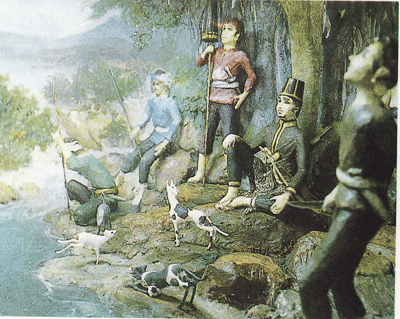

The founding of Malacca became Southeast Asia’s most enduring legends. It shoes tale of omens, opportunity, and the extraordinary transformation of nothing into something.
The mouse deer legend and founding of Malacca
Legend has it that Parameswara saw a mouse deer outwit his hunting dog into the water when he was resting under the Malacca tree. He thought this bode well, stating, “this place is excellent, even the mouse deer is formidable; it is best that we establish a kingdom here.”
Tradition holds that he named the settlement after the tree he was leaning against while witnessing the portentous event. Today, the mouse deer is part of modern Malacca’s coat of arms. Many beliees that the legend is certainly embellished. However, the instinct behind Parameswara’s decision choice was sound. The site offered a natural harbor deep enough for ocean-going vessels, a river that gave access to the interior of the peninsula, and a strategic position along the narrowest and most critical point of the Strait of Malacca. A merchant ship travelling on this route, had no better stopping point in all of Maritime Southeast Asia.
The orang laut alliance – controlling the strait
In his early years building Malacca, Parameswara made an alliance with the Orang Laut or “the Sea people”. These people known as community of maritime nomads who had lived on and around the waters of the strait of Malacca for generations. The Orang Laut kept the seas in the area free of pirates, and Arab, Persian, Indian, and Chinese merchants came to do business. In exchange for their loyalty and their control of the strait’s waters, Parameswara gave the Orang Laut protection, status, and economic participation in Malacca’s growing trade.
This decision of partnership gave Malacca something no rival port could easily replicate. It became a reliable, experienced naval force that made the strait safe for commerce.
The Chinese alliance – Zheng He and Ming protection
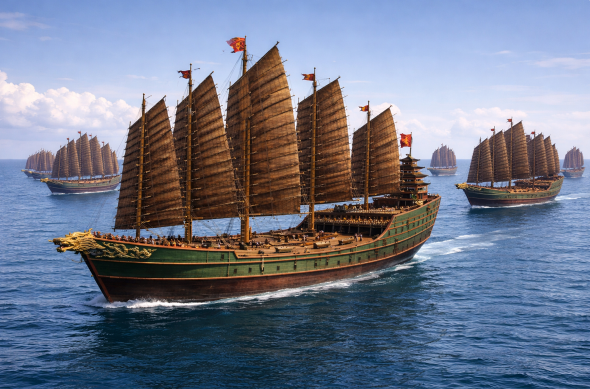
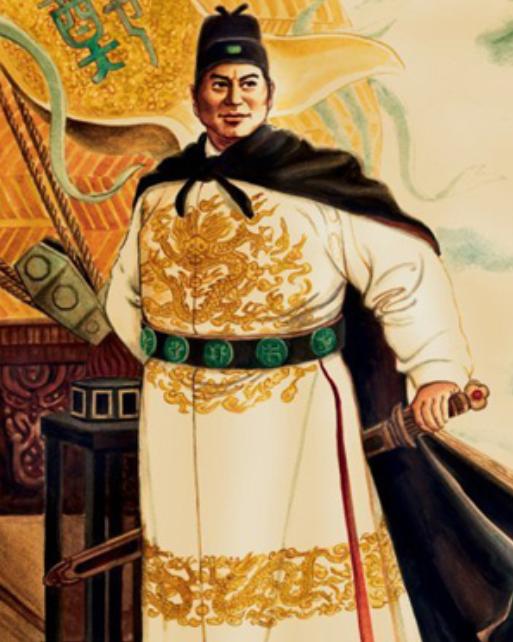
Parameswara also established relations with China’s Ming dynasty, whose admiral Zheng He visited Malacca six times during the voyages he undertook in the service of Yongle emperor. When the growing power of Siam’s Ayutthaya Kingdom threatened Malacca, Ming envoys let the Siamese know that Malacca was a vassal state of China and thus not to be interfered with.
By positioning Malacca as a tributary state of the most powerful empire on earth, he effectively wrapped his small, vulnerable settlement under Chinese imperial protection. Those states attacking Malacca considered as an indirect challenge to Ming dynasty itself. In 1411, Parameswara headed a royal party of 540 people and left for China with Admiral Zheng He to visit the Ming court. This journey that cemented the relationship and signaled to the world of Malacca’s importance.
Parameswara’s conversion to islam
Parameswara later converted to Islam, where he married the daughter of Indonesian Muslim ruler. He changed his name to Iskander Shah and taking the title of sultan. This enabled Malacca to form close relationships with other Muslim states on Sumatra that traded with Gujarat.
The conversion of Parameswara considered as a political move rather than spiritual one. The most commercially powerful merchant networks of the 15th century were Muslim. It consist of Arab, Persian, Indian Gujarati, and Javanese coastal traders who collectively controlled the flow of spices, textiles, and luxury goods across the Indian Ocean. By becoming a Muslim sultan, Parameswara made Malacca a natural home and trusted partner for all of them. Islam did not arrive in Malacca as a conquering force, it arrived through trade, and Malacca embraced it with open commercial arms.
The golden age: Malacca as the world’s greatest trading port
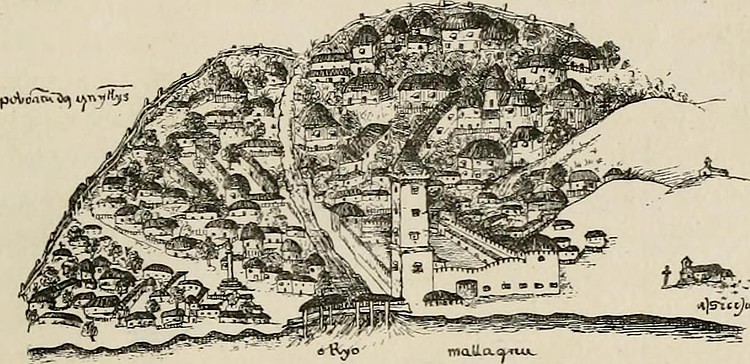
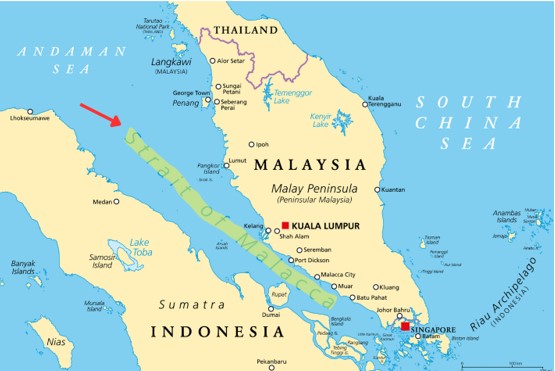
Within decades of its founding, Malacca transformed rapidly into the most important commercial city between Arabia and China. Its golden age spanning most of the 15th century, known as the period of extraordinary wealth, cosmopolitan energy, and cultural achievement that left its mark on the entire region.
The strait of Malacca – the world’s most important chokepoint
Geography became the main advantage of the sultanate. Located on the northern part of Sumatra and southern part of Malay Peninsula, it controlled access to the narrow Malaccan straits. The strait worked as a direct route between the Indian Ocean and the South China Sea. All trade moving between India, Southeast Asia, and China went through these waters.
Every merchant ship trading between the Indian Ocean world and the Pacific world had to pass through the Strait of Malacca. And to pass through the strait safely, to restock provisions, to sell goods and buy new ones, to find interpreters and partners and credit — you came to Malacca.
The city of 84 languages – trade cosmopolitasnism
The scale of Malacca’s commercial activity produced something remarkable – a city of almost incomprehensible diversity. 80 languges were reportedly spoken in Malacca, with some accounts put the number at 84. Just imagine, Arab merchants brought textiles and spices from the Middle East. Gujarati merchants from western India brought cotton and credit. Chinese merchants brought porcelain, silk, and copper cash. Javanese traders brought rice and forest products. Merchants from Persia, Bengal, the Coromandel Coast, the Maluku Islands, Siam, Burma, and dozens of other places all maintained permanent communities in the city.
Through the Malaccan straits flowed silks, spices and porcelain. Malacca themselves produced their own products of tin, that was mined in the north of the city. During its peak, Malacca handled more commercial traffic than any port in the world. Venice, the commercial capital of Europe look like a provincial market town compared to Malacca.
The Bendahara system – governance and administration
To manage the city of such extraordinary diversity and commercial complexity, Malacca developed sophisticated administrative system. The Bendahara immediately beneath the sultan operated as Chief Minister with Temenggong as Senior Judges below, followed by Special Magistrates or Syahbandar. The main four communities in Malacca; Muslim Gujaratis, Hindu Tamils, Islamised Javanese, and Chinese — each had a Syahbandar.
The Syahbandar system proved to be effective and efficient. Each of the four main merchant communities had its own harbor master drawn from within that community. They have responsibilities in managing trade, resolving disputes, and organizing his community’s military contribution to the city’s defense. The system that gave merchants genuine autonomy and representation while keeping ultimate authority firmly with the sultan. No other port in the world offered this combination of commercial freedom and administrative sophistication.
Tun Perak – the great Bendahara who made Malacca an Empire

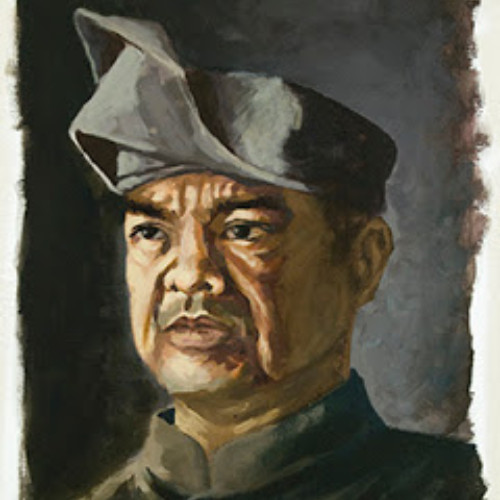
If Parameswara founded Malacca, Tun Perak — the great Chief Minister who served under multiple sultans from 1450s to the 1490s, became the main driver of Malacca’s development. He transformed the city from wealthy trading port into an empire. Under his leadership, Malacca sultanate expanded their territory by conquering Pahang, Kedah and established tributary relationships across the region. His death in 1498 left a leadership vacuum that would prove fatal when the Portuguese arrived just thirteen years later.
Islam spreads through trade – Malacca as the centre of Islamic Learning
With Ayutthaya no longer a threat, the Sultanate of Malacca became free to spread its influence throughout Southeast Asia. From Malacca, religious teachers, many of them Sufis, brought Islam across the Malay Peninsula, and people on nearby islands also became converts. The sultans of Malacca and other Muslim rulers paid generously for the construction of mosques and religious schools.
Malacca became the great centre of Islamic scholarship and dissemination in Maritime Southeast Asia. Scholars from Arabia, Persia, and India came to teach and study. Of the so-called Wali Songo — the nine saints responsible for spreading Islam on Java.
Classical Malay as the lingua franca of Maritime SEA
As bustling international trading port, Malacca emerged as a centre of Islamic learning. Their development also encouraged the development of the Malay language, literature, and arts. Classical Malay became the lingua franca of Maritime Southeast Asia and Jawi script became the primary medium for cultural, religious and intellectual exchange.
Language became Malacca’s most enduring legacies. In a city where 84 languages were spoken, merchants needed a common tongue. The Malay language, flexible, phonetically accessible, and already widely understood across the archipelago, became the language that bridge the people. By the time Malacca fell, Classical Malay had become so deeply embedded as the language of trade and diplomacy across Maritime Southeast Asia that no subsequent colonial power — Portuguese, Dutch, or British — could dislodge it. It lives on today as Bahasa Malaysia and Bahasa Indonesia, the national languages of two nations totaling over 300 million people.
Rivals and Threats: Ayutthaya, China, and the Balancing Act
Throughout its rise, the sultanate faced existential threats from powerful rivals and had to navigate its relationships with great powers with extraordinary care.
Ayutthaya’s attacks of 1446 and 1456 – how they survived?
The most persistent threat came from the Thailand’s Ayutthaya kingdom from the north (read the full story of Ayutthaya in our dedicated article on the Ayutthaya Kingdom). Ayutthaya viewed Malacca’s rise with deep suspicion, seeing it as a challenge to Siamese commercial dominance.
By the time the Ming dynasty had turned inward in the mid-fifteenth century and ceased to trouble itself with matters involving foreign states, Malacca had grown strong enough to fend off Ayutthaya and repulsed two attacks made by that kingdom in 1446 and 1456.
That Malacca survived these attacks — against a kingdom far larger and militarily more powerful — speaks to the effectiveness of its defensive preparations, its Orang Laut naval allies, and the commercial networks that gave the sultanate access to weapons, mercenaries, and intelligence from across Asia.
The Ming China relationship – vassal state and protection
The Chinese relationship was the cornerstone of Malacca’s early security. By positioning itself as a loyal tributary state of the Ming dynasty, Malacca gained a protector whose power beyond challenge. When Ayutthaya threatened, Chinese envoys intervened diplomatically.
In return, Malacca sent regular tribute missions to the Ming court — bringing exotic goods, performing the prescribed ceremonies of submission, and maintaining the fiction of Chinese suzerainty that both sides found mutually convenient. It was a masterclass in managing a great power relationship for maximum benefit at minimum cost.
Zheng He’s six visits and what they meant
Admiral Zheng He’s extraordinary voyages between 1405 and 1433 brought the most powerful fleet in the world to Malacca on six separate occasions. Each visit was a spectacular display of Ming power and a reaffirmation of Malacca’s privileged status within the Chinese tributary system. The Malaccan harbor, transformed into a resupply base for Zheng He’s massive fleets, gained enormous prestige from the association. The trade connections that came with hosting thousands of Chinese sailors and officials on a regular basis were commercially invaluable.
Hang Li Po — The Chinese Princess and Bukit Cina
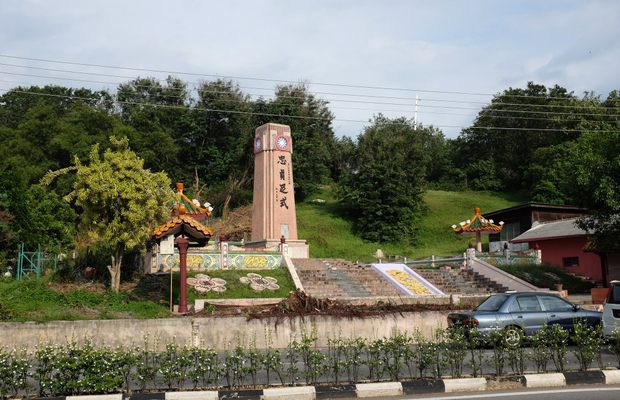
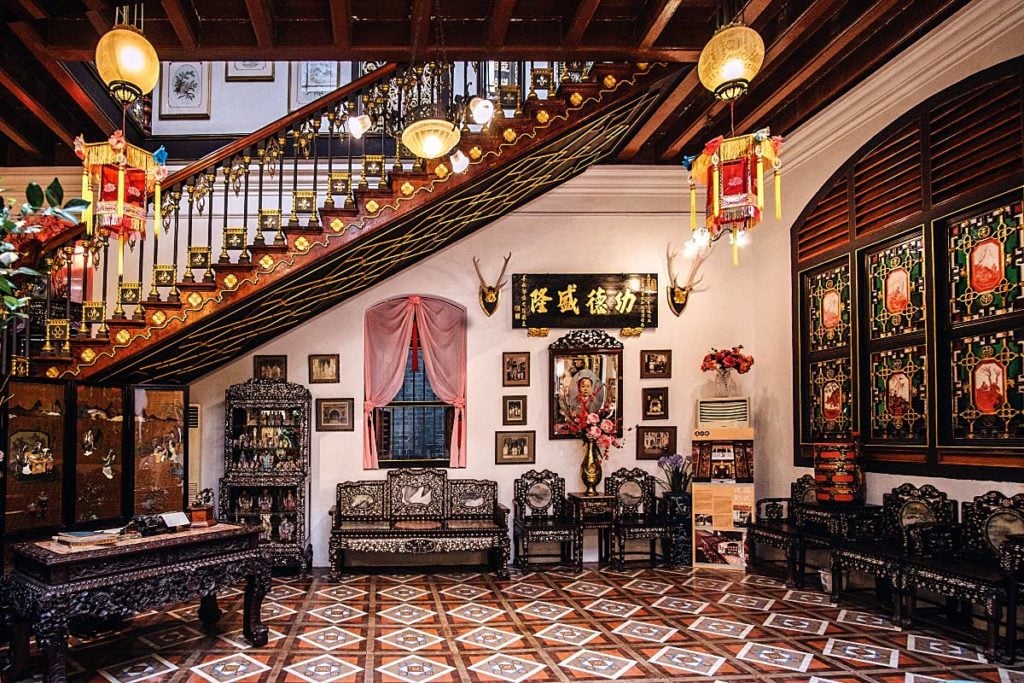
Among the most beloved stories of Malacca’s Chinese connection is the legend of Hang Li Po. She came to Malacca as a Ming princess send to marry Sultan Mansur Shah as a gesture of diplomatic friendship. She arrived with a retinue of five hundred attendants, who settled on a hill outside the city that became known as Bukit Cina or Chinese Hill. Whether Hang Li Po was a real princess or a diplomatic fiction remains debated by historians, but Bukit Cina is real — it remains one of the largest Chinese cemeteries outside China, a tangible monument to Malacca’s centuries-long Chinese connection that visitors can still walk through today.
The Portuguese Conquest: The Fall of Malacca
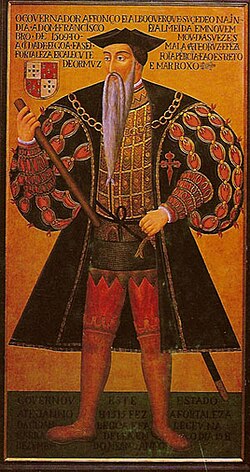

By the early 16th century, the world changed rapidly in ways that Malacca’s sultans could not fully comprehend. A new power appeared in the Indian ocean — one that played by entirely different rules and whose ambitions went far beyond trade.
Portugal’s ambition – the spice trade and Venice’s throat
The Portuguese Empire’s expansion into the Indian ocean driven by the spice trade. Spices considered to be more valuable than gold in the European markets. Most of the spices passed through Muslim middlemen before reaching European consumers. The Portuguese, fired by a mixture of commercial greed and crusading religious zeal, were determined to cut out those middlemen and seize control of the spice trade at its source. Malacca became the main target of the Portuguese. By controlling Malacca and its strait, the Portuguese would be able to controlled the most important chokepoint in the world trade.
Albuquerque’s arrival and the failed 1509 mission
The Portuguese first made contact with Malacca in 1509, when a diplomatic and commercial mission under Diogo Lopes de Sequeira arrived in the harbor. The visit ended badly — the sultan, alarmed by the Portuguese presence and influenced by Muslim merchants who feared Portuguese commercial competition, had several Portuguese sailors arrested and their ships attacked. Sequeira escaped, but the insult was not forgotten.
Two years later, the Portuguese returned. This time they came not as traders but as conquerors. Their commander was one of the most formidable military minds of the age.
The siege and fall of Malacca (1511)
Alfonso de Albuquerque arrived off Malacca in July 1511 with fleet of 18 ships and 1400 soldiers. Malacca prepared to defend itself, with a population of 100,000 and fortified fronts along the waterfront. However, Malacca did not expect the ferocity and tactical sophistication of the Portuguese assault.
After initial attempts to negotiate the release of Portuguese prisoners from 1509 failed, Albuquerque launched the assault. The battle centered on the bridge over the Malacca River — a narrow chokepoint where the defenders initially held their ground. On 24 August 1511, after weeks of fighting, Portuguese forces broke through. In 1511, the capital of Malacca fell to the Portuguese Empire, forcing the last Sultan, Mahmud Shah, to retreat south, where his progenies established new ruling dynasties, Johor and Perak.
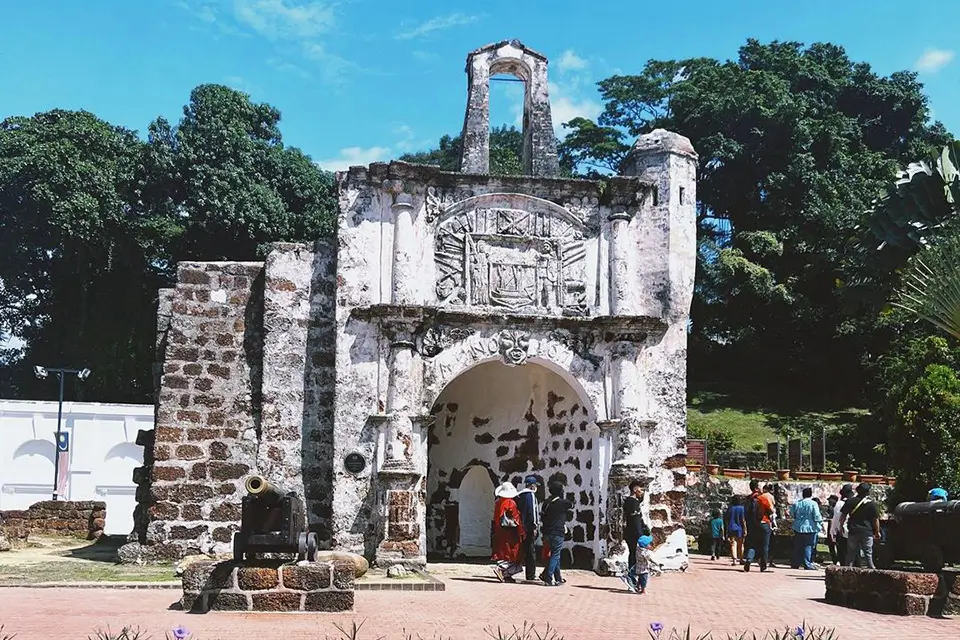
The Portuguese immediately began constructing a massive stone fortress — A Famosa — on the hill overlooking the harbor. Its ruins still stand in Malacca today, a crumbling monument to the conquest that ended the golden age of Malay civilization.
Sultan Mahmud Shah’s flight and the end of the sultanate
Sultan Mahmud Shah fled first to the interior of Malay Peninsula and then to the Riau islands. He and his successors spent decades attempting to recapture Malacca without success. The sultanate that had dominated Maritime Southeast Asia for over a century had fallen in a matter of weeks. But the story did not end there. The political and cultural legacy of Malacca proved far more durable than its military power.
Legacy: How the Malacca Sultanate shaped modern Southeast Asia
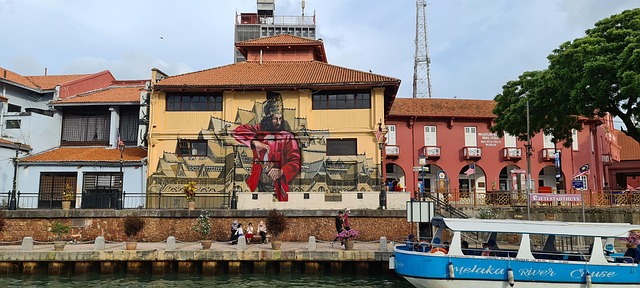
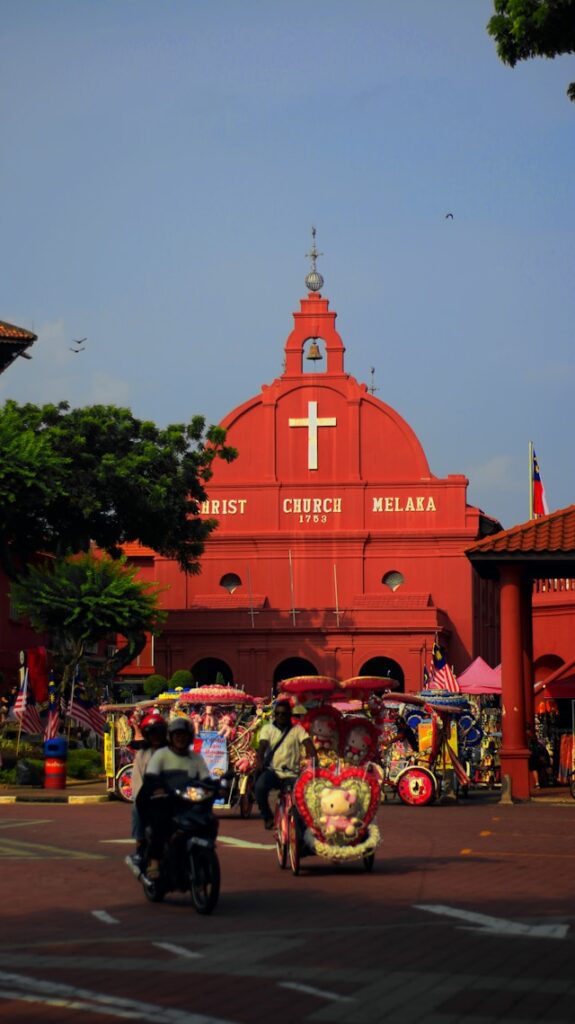
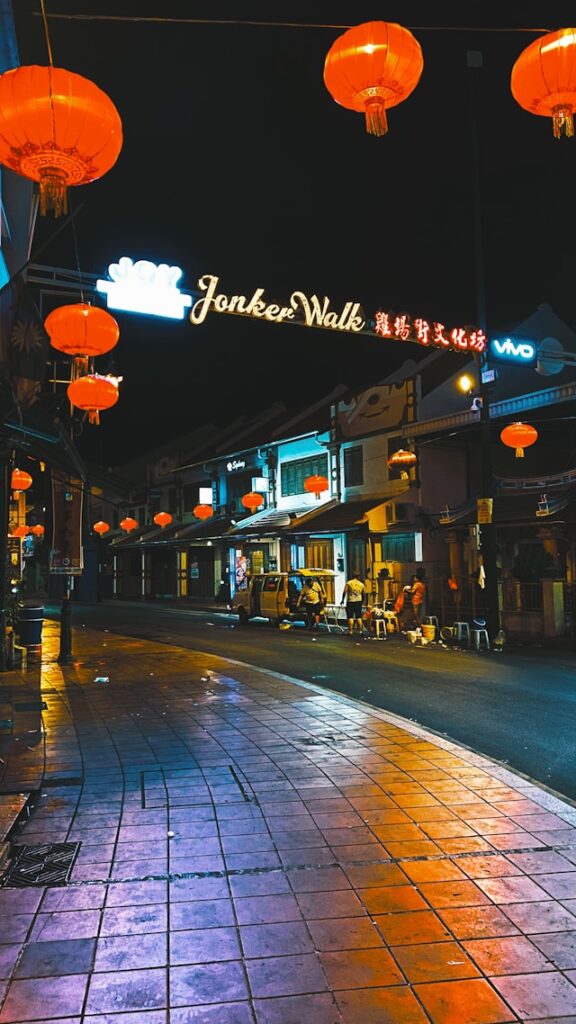
Seven centuries after Parameswara rested under his Malacca tree, the sultanate he founded remains one of the most consequential civilizations in Southeast Asian history. Its legacy is not confined to history books — it lives in languages spoken by hundreds of millions of people, in the faith practiced across a vast archipelago, and in the national identity of a modern nation.
The Malay Language – Malacca’s most enduring legacy
The Malay language became Malacca’s main contribution to the modern world. Malacca’s fashions in literature, art, music, dance and dress, and the ornate titles of its royal court, came to be seen as the standard for all ethnic Malays. The court of Malacca also gave great prestige to the Malay language, which had originally evolved in Sumatra and been brought to Malacca at the time of its foundation. In time Malay came to be the official language of all the Malaysian states.
Today, Malay in its carious forms is spoken by over 300 million people across Malaysia, Indonesia. Brunei, Singapore and even parts of Thailand and the Philippines. Malay language became a linguistic inheritance that Malacca shaped, standardized, and later spread across the region through the power of trade.
Islam across Maritime Southeast Asia
The political and cultural legacy of the sultanate has endured for centuries, where Malacca has been held up as an example of Malay-Muslim civilisation. It established systems of trade, diplomacy, and governance that persisted well into the 19th century, and introduced concepts such as daulat — a distinctly Malay notion of sovereignty.
The Islam that Malacca spread across Southeast Asia was not the Islam of conquest. The spread of Islam marked by commerce, scholarship and sufi mysticism. This largely peaceful, trade-driven islamization produced a distinct form of faith. It mixed Islamic law and theology with pre-existing Malay, Javanese, and indigenous traditions in ways that remain visible in the religious practice of the region today. Indonesia, the world’s largest Muslim nation, and Malaysia, whose constitution defines Malays as Muslim by definition — both are products of the spiritual world that Malacca created.
Malacca and modern Malaysian nation identity
In Malaysian national historiography, Parameswara’s founding of the Malacca Sultanate in 1400s considered as the origin point of organized Malay statehood. It served as a cornerstone for constructing a unified national identity rooted in Malay-Islamic heritage.
Modern Malaysia traces its political and cultural legitimacy directly to Malacca. The current Malaysian royal houses — including the Johor, Perak, Selangor, and Pahang sultanates — all trace their lineage to rulers who fled or dispersed from Malacca after 1511. The British colonial administration that shaped modern Malaysia built on administrative structures that themselves derived from the Malaccan model. For the full story of how British rule shaped modern Malaysia, read our article on British Malaya.
Unesco world heritage – Modern day Malacca city
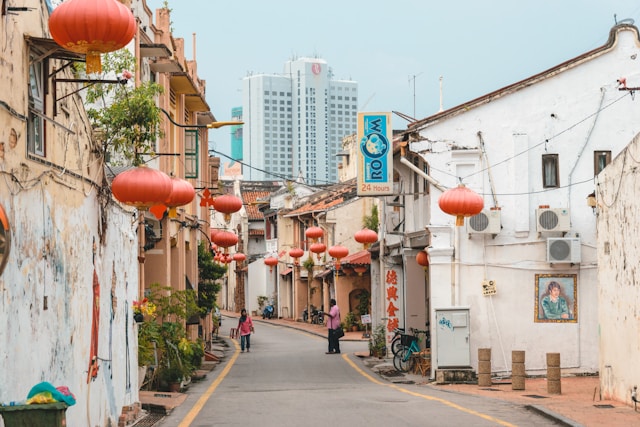
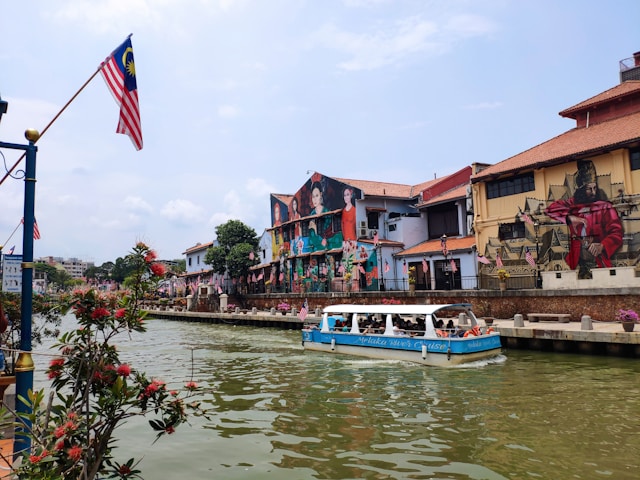
In terms of tangible assets, the historic city of Malacca was inscribed as a UNESCO World Heritage Site in 2008. The city recognized for its extraordinary multicultural heritage as a trading port that brought together Malay, Chinese, Indian, Portuguese, Dutch, and British influences over six centuries. Walking through Malacca’s historic core today — past the ruins of A Famosa, the Dutch Stadthuys, the Cheng Hoon Teng temple, and the kampung Morten traditional houses — is to walk through a living past of the civilizations that Malacca’s golden age set in motion.
The Minangkabau people of West Sumatra, whose remarkable heritage we explore in our article on Minangkabau Heritage, trace part of their diaspora history to the Malacca era. The Chinese Indonesian community, whose complete history we tell here, are descendants in part of the merchants whose ancestors first settled in Malacca’s trading quarters five centuries ago.
From a mouse deer and a Malacca tree, Parameswara built something that outlasted empires, survived colonial conquest, and shaped the languages, faiths, and identities of hundreds of millions of people. That is not merely a chapter in Southeast Asian history. That is Southeast Asian history.
References
eCentral (2024) Kesultanan Melayu Melaka: Sejarah Awal & Kejatuhan Kerajaan. Available at: https://ecentral.my/kesultanan-melayu-melaka/ (Accessed: 9 May 2026).
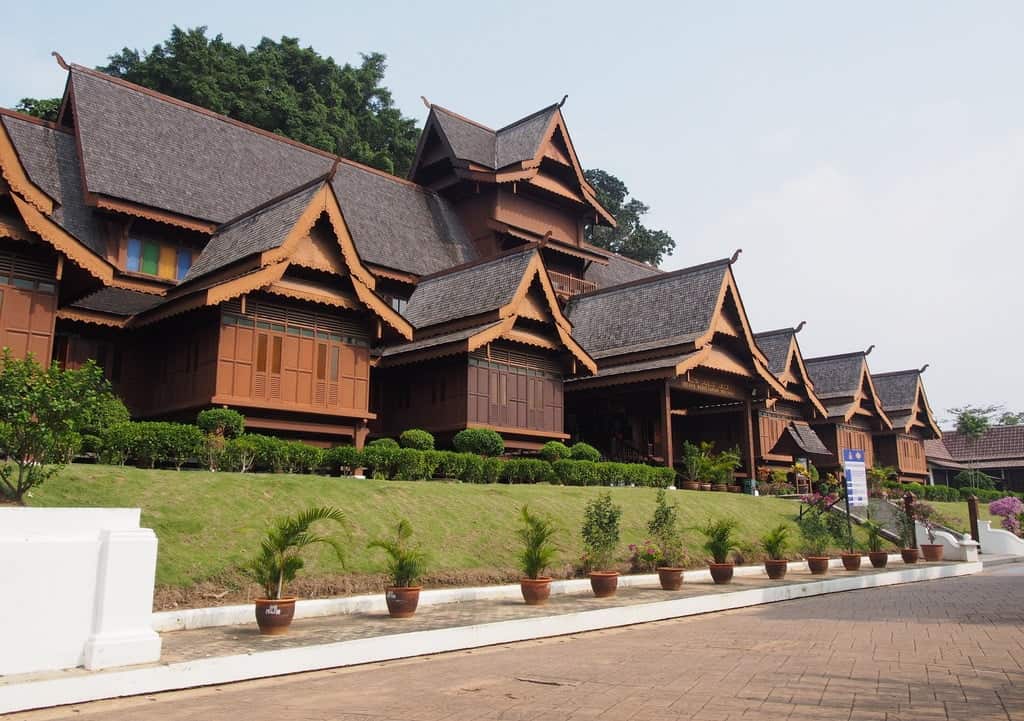
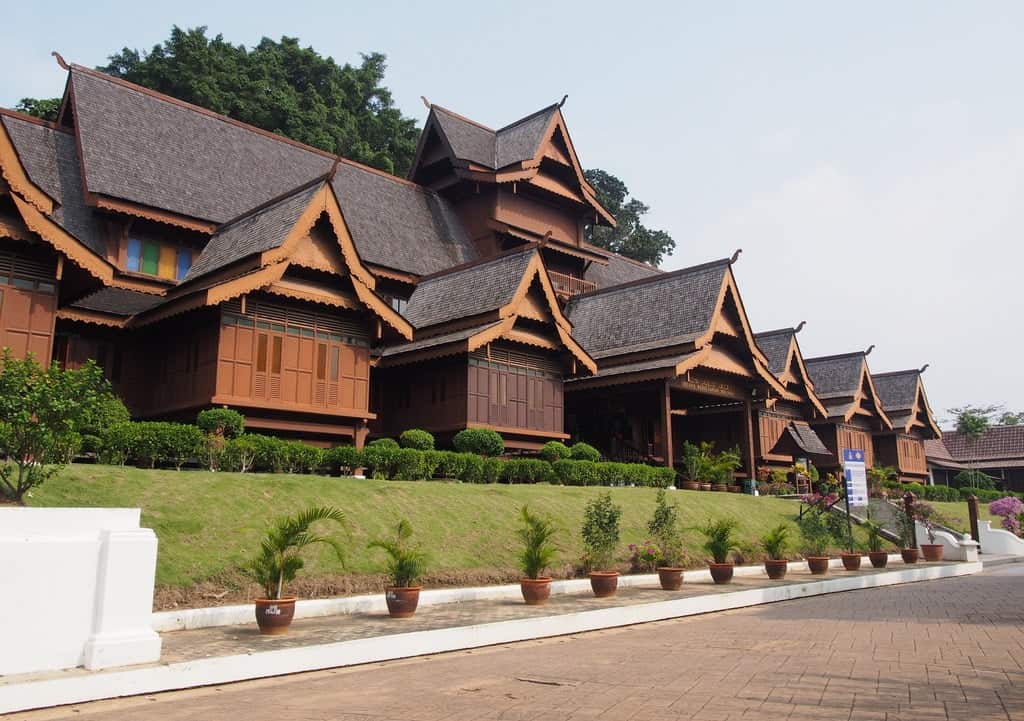
Department of Museums Malaysia (2010) Melaka Sultanate Palace Museum. Available at: http://www.jmm.gov.my/en/melaka-sultanate-palace-museum
Melaka Tourism (2023) Sultanate Palace Museum. Available at: https://melaka-tourism.com/melaka-tourism/melaka-attractions/144-sultanate-palace-museum
Perbadanan Muzium Melaka (n.d.) Portal Rasmi Perbadanan Muzium Melaka – Muzium & Galeri. Available at: https://perzim.gov.my/en/
UNESCO (n.d.) Foreign documents and descriptions, Melaka between AD 1505–1511. Available at: https://en.unesco.org/silkroad/knowledge-bank/foreign-documents-and-descriptions-melaka-between-ad-1505-1511
OpenStax (2022) The Malacca Sultanate. In: World History Volume 2. Available at: https://openstax.org/books/world-history-volume-2/pages/2-2-the-malacca-sultanate
The British Presence in the Malay World: A Meeting of Civilizational Currents (n.d.) Available at: https://files01.core.ac.uk/download/pdf/11490326.pdf (Accessed: 9 May 2026).
The Melaka Empire, c. 1400–1528 (2023) Available at: https://www.academia.edu/104909394/The_Melaka_Empire_c_1400_1528
The Primary Gate of the Melaka Sultanate (2023) Available at: https://www.academia.edu/109312107/The_Primary_Gate_of_the_Melaka_Sultanate