
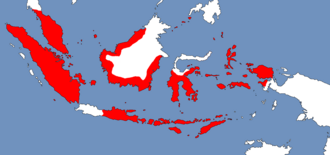
Most readers can name the Roman, Ottoman, Mongol or the British Empire. Far fewer had heard of the Majapahit Empire. During its peak, this Hindu-Buddhist kingdom controlled 98 tributaries stretching from Sumatra to New guinea. It commanded the most powerful maritime empire Southeast Asia has ever witnessed.
Founder on dramatic era of political cunning in 1293, Majapahit rose from a single Javanese outpost to dominate trade, culture, and diplomacy across the entire region for nearly two centuries. Despite its decline in 1527, its legacy never truly ended!
From the red-and-white Indonesian flag to Garuda on every Indonesian passport, from the Hindu temples of Bali to the very concept of “Nusantara”, Majapahit is everywhere in modern Indonesia. This is the full story of Southeast Asia’s greatest empire, and why it still matters.
| Founded | 1293 by Raden Wijaya (Kertarajasa Jayawardhana) |
| Capital | Trowulan, East Java |
| Peak territory | 98 tributaries — modern Indonesia, Malaysia, Singapore, Brunei, southern Thailand, Philippines, Timor Leste |
| Religion | Hindu-Buddhist syncretism |
| Greatest rulers | Hayam Wuruk (1350–1389), Prime Minister Gajah Mada |
| Fell | 1478–1527 (to the Sultanate of Demak) |
| Legacy | Indonesian national symbols, Bali’s Hindu culture, the concept of Nusantara |
Before Majapahit Empire: The Kingdoms that came before
To understand the Majapahit Empire, readers must need to understand the environment surrounding Majapahit. The island of Java already shaped by centuries of powerful kingdoms, maritime trade, and cultural sophistication.
The Srivijaya Maritime Empire
Long before Majapahit, the Srivijaya Empire dominated the seas of Southeast Asia from its base in Southern Sumatra. From the 7th to the 13th century, Srivijaya controlled the Strait of Malacca and grew wealthy as the middleman of Asian trade.
Buddhist monks, Indian merchants, Chinese diplomats, and Arab traders all passed through its ports. Srivijaya was not a territorial empire in the conventional sense, but a trading network held together by naval power and commercial alliances. By the late 13th century, Srivijaya’s power declined, weakened by South Indian Chola dynasty and the rising ambitions of Javanese kingdoms. Its decline created a power vacuum that others would rush to fill.
The Singhasari Kingdom and King Kartanegara
Into that vacuum, stepped Singhasari, a kingdom of Eastern Java that rose to prominence in the early 13th century. Its greatest ruler, King Kartanegara seen by many as a mystic, warrior, and visionary who dreamed of uniting the entire Malay archipelago under Javanese leadership.
He launched the Pamalayu expedition to bring Sumatra under his influence and styled himself as Chakravartin – Universal king of the cosmos. Kartanegara’s ambition made him powerful but also made him enemies. In 1292, while focused on distant campaigns, a vassal ruler named Jayakatwang launched a rebellion. King Kartanegara was killed and his kingdom collapsed almost overnight. From it ruins, a new powerful kingdom would emerge.
The Mongol invasion to Java
The timing of Singhasari’s fall could not have been more dramatic. In the same year that Jayakatwang struck, a massive Mongol fleet of roughly 1,000 ships arrived off the coast of Java. Kublai Khan sent the fleets to punish Kertanegara for a diplomatic insult years earlier.
Multiple accounts reported that Kertanegara mutilated a Mongol envoy and sent him back to China. Kublai Khan simply cannot forget this insult. When the Mongol fleet arrived in 1293, they found a different ruler sitting on the throne and a kingdom in chaos. What happened next would determine the entire course of Javanese and Indonesian history.
The Founding of Majapahit Empire: Raden Wijaya and the Mongol (1293)
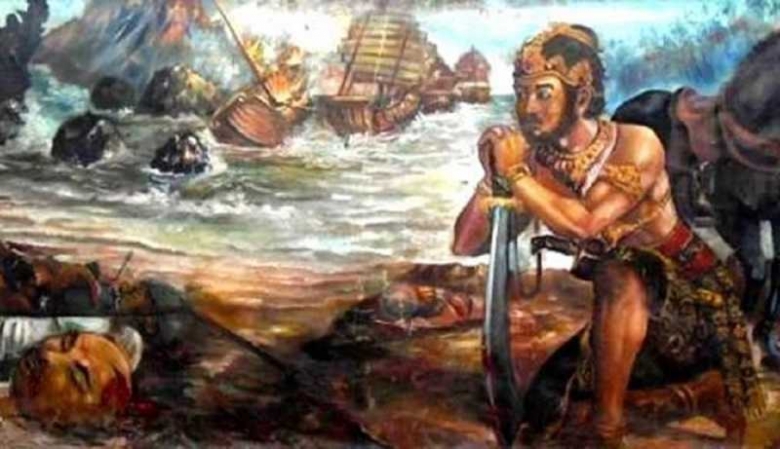
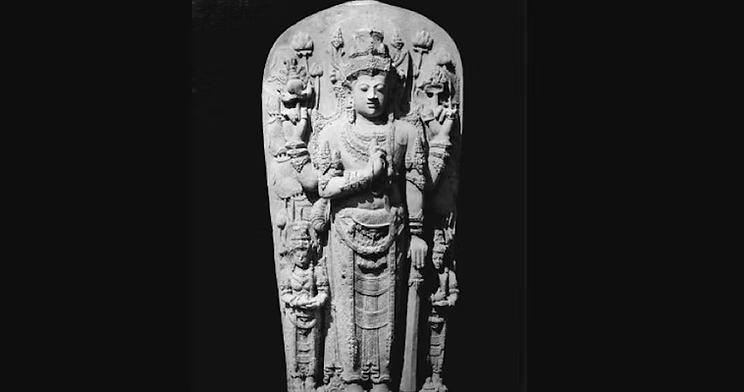
The founding story of Majapahit is one of history’s great political thrillers — a story of survival, cunning, and breathtaking audacity.
Raden Wijaya’s escape and survival
Raden Wijaya known as King Kertanegara’s son in law. When Jayakatwang launched his rebellion, Wijaya barely escaped with his life. He fled into the forest with a small band of loyal followers. He was a prince without a kingdom, hunted by the enemies, with no army and resources.
Rather than despair, Wijaya played for time. He submitted to Jayakatwang, feigning loyalty, and granted a small piece of land in the Tarik forest — a place called Majapahit, named after the bitter maja fruit that grew there. On this strip of forest land, Wijaya began to rebuild quietly, patiently, biding his time.
The unlikely alliance with Kublai Khan’s forces
When the Mongol fleets arrived, Wijaya saw his opportunity. In one of the most calculated gambles in Southeast Asian history, he approached the Mongol commanders and offered his assistance to defeat Jayakatwang.
The plan worked well, the Mongol and Javanese forces combined to defeat Jayakatwang decisively in battle. The Mongol-Java alliance captured and executed the usurper. After the battle, Wijaya invited the Mongol commanders to celebrate their victory together.
Turning the tables: expelling the Mongols from Java
Then Wijaya struck the Mongols! With his enemies destroyed and the Mongol forces fatigued, scattered, and deep in unfamiliar territory, Wijaya launched a sudden, coordinated attack. The Mongols who just helped him win, were ambushed and driven back to their ships in confusion.
The Mongol left and never return to Java. In a single year, Raden Wijaya had survived assassination, destroyed the man who killed his king, defeated one of the world’s most powerful armies, and emerged as the undisputed ruler of Java. It was a masterclass in political survival.
Coronation and Establishment of Majapahit Kingdom
In 1294, Wijaya was formally crowned as Kertarajasa Jayawardhana, the first king of Majapahit. He established his capital at Trowulan in East Java, near the modern city of Surabaya. In addition, he began building the administrative foundations of what would become one of the greatest empires in Southeast Asian history. Wijaya died in 1309, having laid the groundwork that his successors would build upon for the next two centuries.
The Golden Age of the Empire
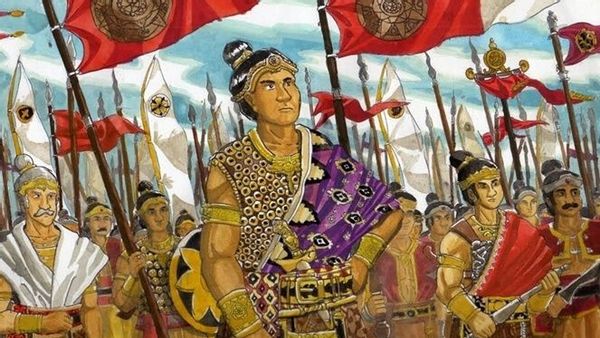
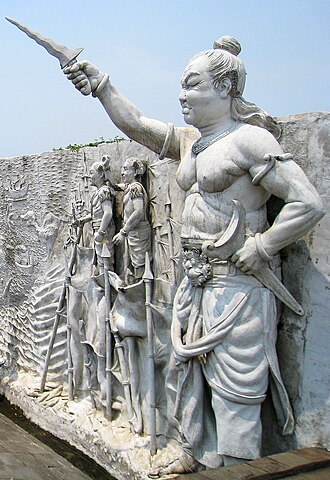
If Raden Wijaya laid the foundation of Majapahit, partnership of King Hayam Wuruk and Prime Minister Gadjah Mada transform the kingdom into civilization for ages. The mid 14th century became the golden age of Majapahit. During this period, Majapahit launched territorial expansion, cultural flowering, and economic dominance unmatched in the region.
King Hayam Wuruk: the divine ruler
Hayam Wuruk ascended to the throne in 1350 at just sixteen years old! Under the regency of his mother, the formidable Queen Tribhuvana. He would reign for nearly four decades, and under his rule Majapahit reached the height of its power. Contemporary accounts described the young king as deeply pious, highly educated, and genuinely beloved by his court. Many people believed Hayam Wuruk as s a god-king — a living incarnation of divine authority in the Hindu-Buddhist tradition.
In his personal account, Chinese diplomat Ma Huan, wrote in astonishment about the scale and wealth of Majapahit capital. He described the city as extraordinary cosmopolitan energy, with markers overflowing with goods from across asia, a court refined artistic taste, and ports more active and complete than anywhere else in Southeast Asia.
Gajah Mada and the Palapa Oath
One of the most celebrated figures in Majapahit known widely as Gajah Mada, the kingdom’s greatest prime minister. He started from a palace guard and become the most powerful official in the empire. Gajah Mada became Majapahit’s military genius and political architect.
His most famous moment came with the palapa oath, a vow he took before the court of Queen Tribhuvana, swearing that would not taste palapa until he brought Nusantara under Majapahit’s banner. It was an extraordinary public declaration of imperial ambition — and he came remarkably close to fulfilling it.
Under Gajah Mada’s command, Majapahit conquered Bali, Sumatra, extended its reach into Borneo, Sulawesi, and the Maluku spice islands. Additionally, the kingdom also established tributary relationships as far as the southern Philippines and the Malay Peninsula. He maintained power from 1313 until his death in 1364, and his name remains a byword for Javanese greatness today — commemorated in Gajah Mada University, one of Indonesia’s most prestigious institutions.
Territorial expansion across the archipelago
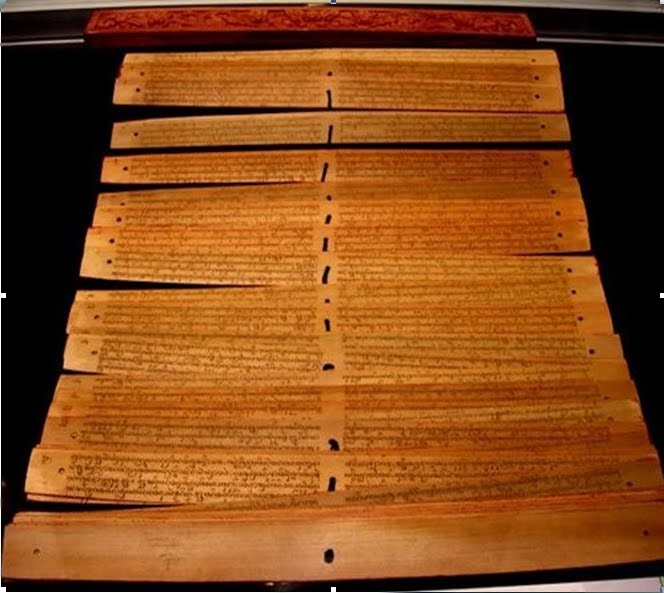
At its greatest extent, Majapahit claimed over 98 tributaries. The 1365 Negarakartagama (Majapahit Classical Poem), recorded lists territories across Sumatra, the Malay Peninsula, Borneo, Sulawesi, the Nusa Tenggara islands, the Maluku islands, New Guinea, Mindanao, the Sulu Archipelago, and parts of Luzon as falling under Majapahit’s sphere of influence.
To this day, historians debate the precise nature of this control. Some territories directly administered under Majapahit control, while others were simply tributary relationships or trade alliances. Despite the debates, many agreed that influence of Majapahit across Southeast Asia during this period was undeniable and unprecedented.
Trade, economy, and maritime power of Majapahit Empire
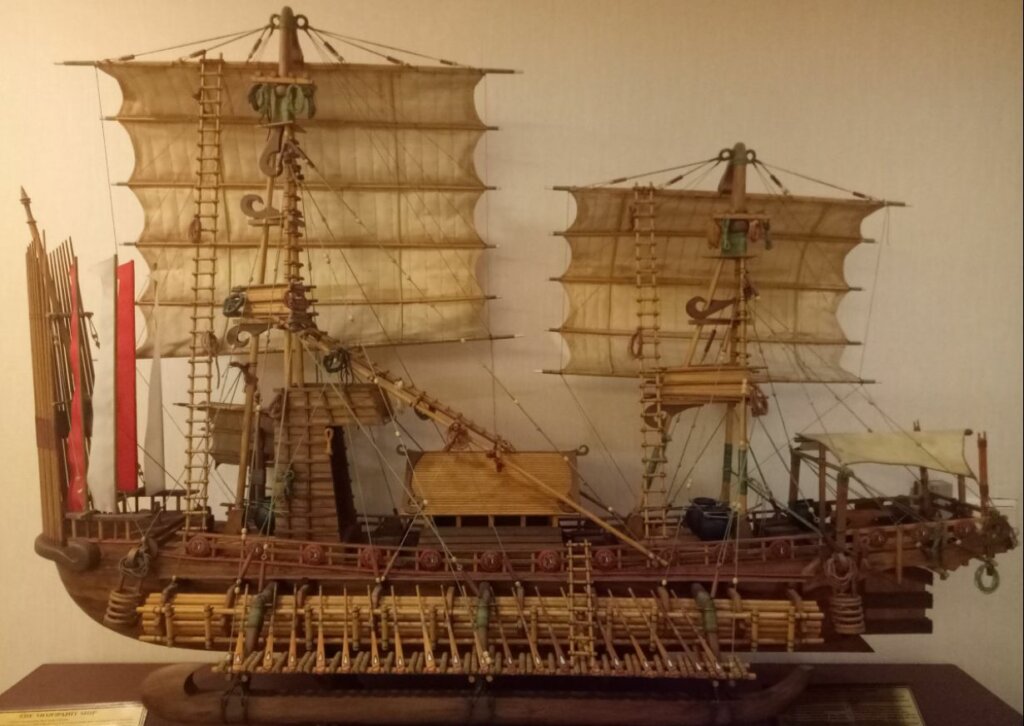
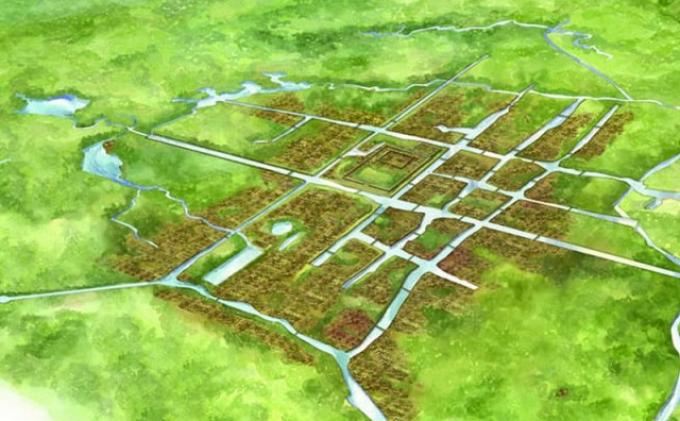
Rice and spice became the two main pillars that build Majapahit’s wealth. The kingdom’s agricultural base in the fertile plains of East Java produced enormous rice supplies that could feed massive population. Meanwhile, its control of maritime trade routes allowed it to dominate the spice trade connecting the Maluku islands to Chine, India. and the Arab world.
Additionally, Majapahit fleet, built around the powerful jong warship, patrolled sea lanes and kept trade flowing. The capital of Trowulan filled with thriving cash economy, artisans, traders, priests, soldiers, and officials of dozens of different origins living alongside one another. Chinese merchants maintained permanent communities; Indian traders brought textiles and religion; Arab merchants introduced new commercial practices.
Art, literature, and Nagarakertagama
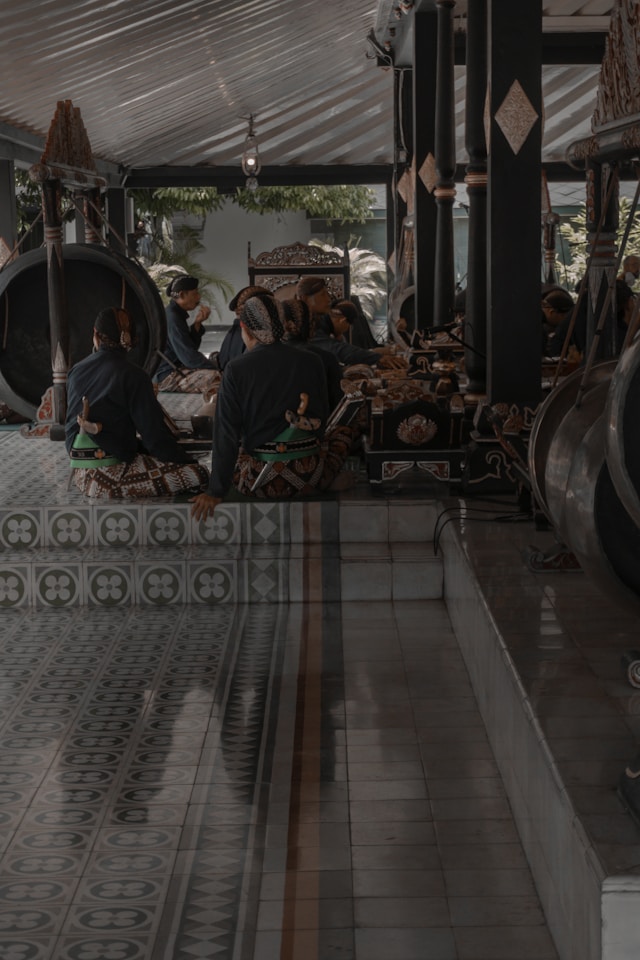
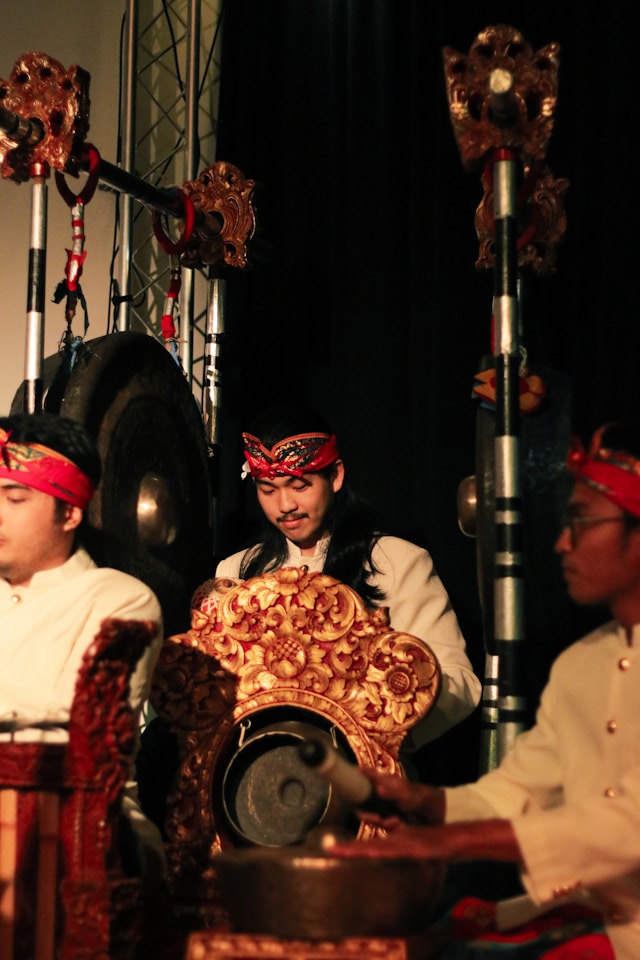
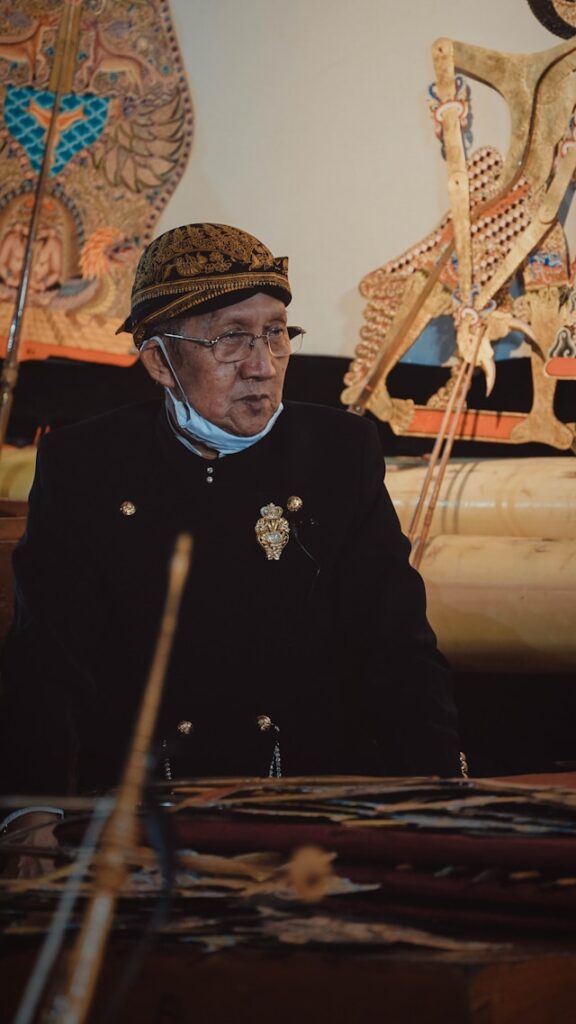
The golden age of Majapahit also influenced the culture aspect. The royal court of Majapahit became the great centers of literary and artistic production in Southeast Asian history. The Nagarakertagama, composed in 1365, not only a chronicle of Majapahit’s power but also a sophisticated work of Old Javanese literature. The old text celebrated the philosophy, aesthetics, and spiritual life of the kingdom. It remains one of the most important texts in Indonesian literary history and inscribed by UNESCO Memory of the World Register in 2008.
Classical Javanese dance, gamelan music, wayang shadow puppetry, and the tradition of batik cloth all flourished under Majapahit royal patronage. The kingdom’s artistic achievements did not die with the empire — they survived in the cultural memory of Java and Bali, where they are still practiced today.
Religion and Society: A Hindu-Buddhist Civilization
To better understand Majapahit, you need to understand its spiritual world — because religion cannot be separated from politics, economics, or daily life. It was woven through every aspect of Majapahit society.
Hindu-Buddhist syncretism in Majapahit
Majapahit became the last great Hindu-Buddhist empire of the malay archipelago. Majapahit combined Hindu and Buddhist traditions in distinctly Javanese way, known as Shivaism-Buddhism or the “Javanese synthesis.” The citizens consider their kings as ncarnations of both Shiva and the Buddha simultaneously. Temple complexes honored both traditions side by side. This religious flexibility was one of Majapahit’s great cultural achievements, producing a spiritual civilization of extraordinary sophistication and depth.
Architecture and temples of the Majapahit Empire (Trowulan, Penataran)
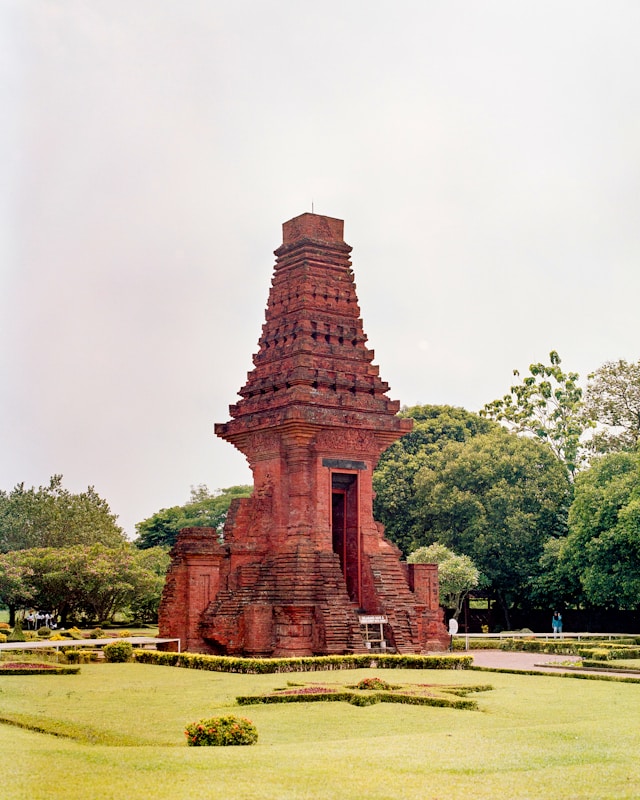
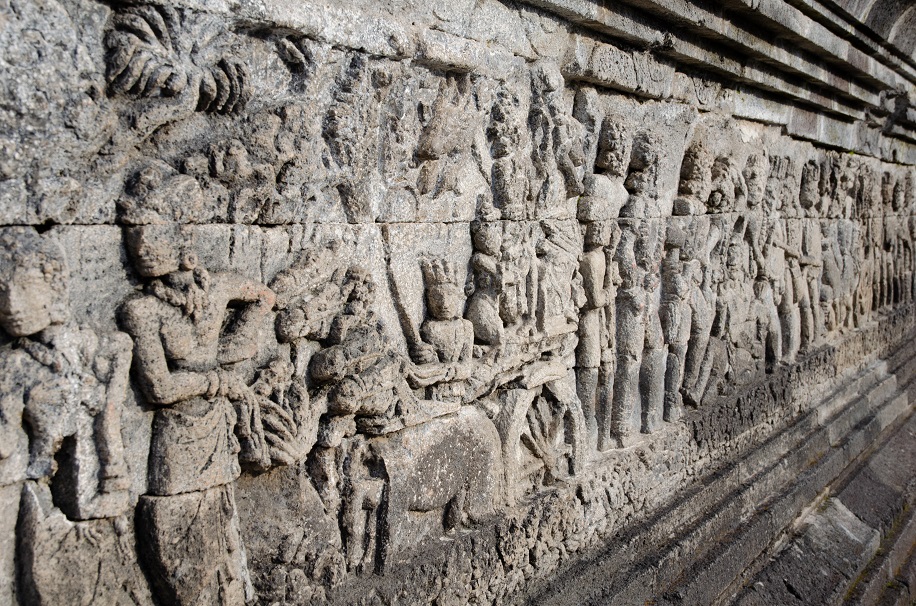
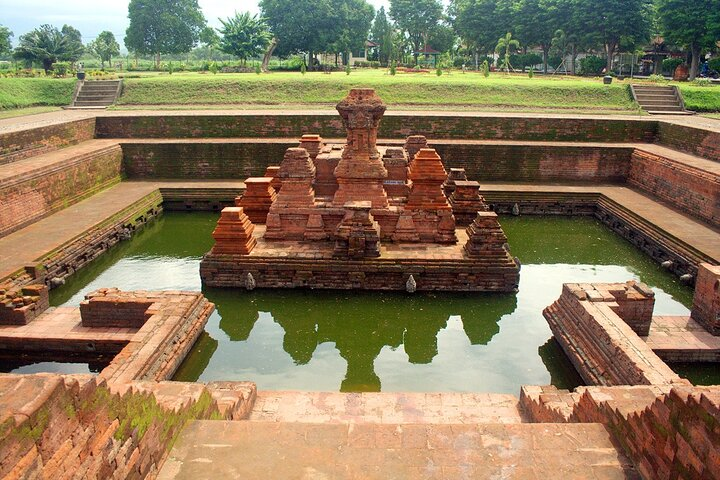
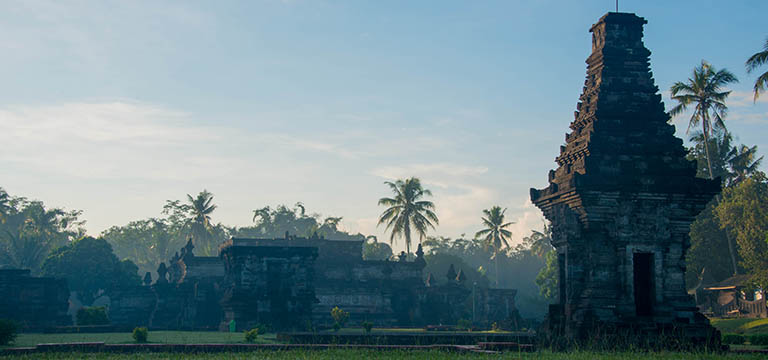
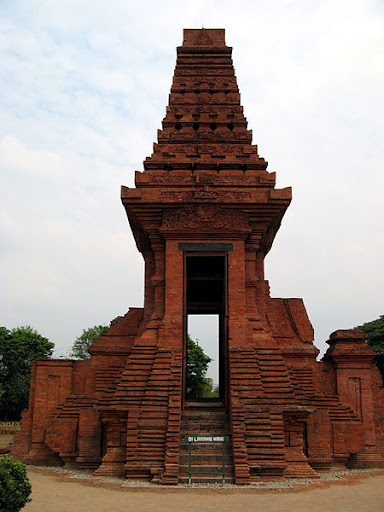
The capital city of Trowulan was a planned city of extraordinary ambition. A metropolis of brick palaces, royal pavilions, bathing pools, and ceremonial gates filled the capital city. Archaeological excavations at Trowulan, near modern-day Mojokerto, have uncovered the remains of the lost city. Some iconic places include the iconic Candi Brahu, Candi Tikus, and the magnificent Bajang Ratu gate. These structures give a glimpse of the architectural grandeur that onde defined the heart of the empire.
Beyond Trowulan, the great state temple of Penataran in Blitar – where Hayam Wuruk was crowned as a king. This location stands as one of the finest surviving examples of Majapahit architecture. Its carved reliefs depict scenes from Hindu epics, royal ceremonies, and the natural world with extraordinary handcraft.
The role of women in Majapahit Empire
During the golden age of Majapahit, women played a pivotal role at the highest levels of power, The famous Queen Tribhuvana, Hayam Wuruk’s mother, served as regent and effective ruler during the early reign. Additionally, She chose Gajah Mada as Prime Minister, the decision that would define the empire’s golden age.
Before her, the Rajapatni, Raden Wijaya’s queen — also known as one of the most politically powerful figures of the early kingdom. Majapahit’s willingness to place women in positions of supreme authority was unusual in the medieval world and speaks to the sophistication of its political culture.
Trade Cosmopolitanism – Chinese, Indian, Arab Merchants
Majapahit capital mentioned by multiple accounts as a cosmopolitan and grandeur. Chinese merchants who had traded in Java for centuries, maintained large communities and significant commercial influence. Arab and Indian traders brought Islam and new commercial networks — seeds that would eventually reshape the entire region. Far from being threatened by this diversity, Majapahit embraced and regulated it, creating one of the most commercially open societies in medieval Asia.
The Decline and Fall of Majapahit Empire (1389-1527)
The fall of Majapahit did not happen in a single day, it took a long, slow unravelling that took over a century. Understanding it requires understanding both the internal fractures that weakened the empire and external forces that ultimately overwhelmed it.
Death of Gajah Mada and Hayam Wuruk
The beginning of the end came with the death of Gajah Mada in 1364, followed by the death of Hayam Wuruk himself in 1389. These two figures had been the twin pillars of Majapahit’s greatness. With both gone, the empire faced a succession crisis that it would never fully resolve.
Hayam Wuruk had no clear male heir, and rival factions at court competed to control the succession. The unity that Gajah Mada had forged through sheer force of personality and political genius began to fracture almost immediately.
The Paregreg Civil War (1404-1406)
The fractures escalated into open conflict in the Paregreg war of 1404-1406. The civil war split the kingdom into East and West, devastating the agricultural heartland and exhausting the royal treasury. Though a victor eventually emerged, Majapahit emerged from the Paregreg War fundamentally weakened. After the war, its economy damaged, its military depleted, and its prestige among tributary states severely diminished. In addition, Majapahit never regained its former dominance after the war.
The rise of Islam and Demak sultanate
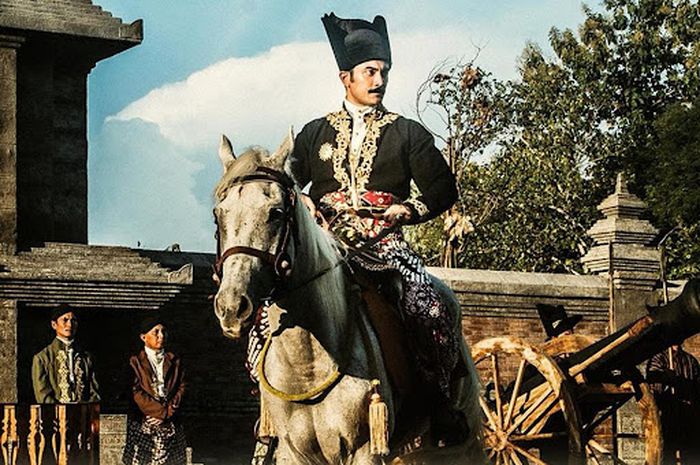
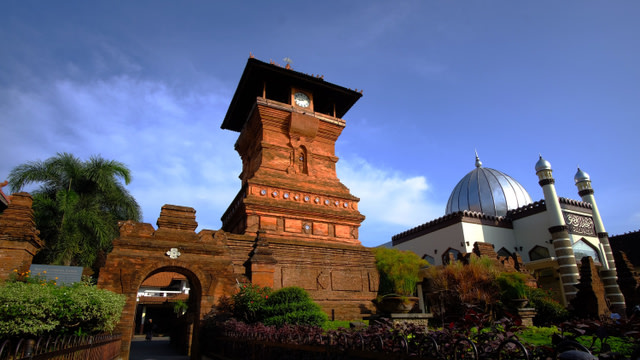
While Majapahit weakened internally, a powerful new force was rising along the Java coast. Islam had been present in the region for centuries, brought by Arab and Indian merchants, but by the 15th century it was spreading rapidly — particularly among the coastal trading cities that had grown wealthy on international commerce.
The Sultanate of Demak, established on Java’s north coast, became the first great Islamic power of Java. It combined religious authority with significant military and commercial strength. Its founders — including the legendary Wali Songo, the nine Islamic saints credited with spreading Islam across Java — drew both spiritual legitimacy and practical power from their position at the intersection of trade and faith.
As Demak grew stronger, Majapahit’s remaining territories and tributaries began shifting their allegiances. The Hindu-Buddhist world that Majapahit represented was giving way to a new Islamic order.
The final fall of Majapahit Empire
Historians debate exactly when Majapahit truly ended. The year 1478 traditionally cited as the year Demak forces captured the Majapahit capital at Trowulan. Despite the fall of Trowulan, the remnant of Majapahit persisted in East Java until at least 1527, when the last holdouts were finally extinguished by Demak forces.
What is certain is that when the end came, a large portion of Majapahit’s royal court, priests, artisans, and nobility did not convert to Islam. Instead, they moved east to the island of Bali, carrying their culture, their religion, their art forms, and their manuscripts with them. In doing so, they ensured that Majapahit did not truly die. It transformed.
Legacy: How Majapahit Empire Shaped Modern Indonesia and Southeast Asia
Seven centuries after its founding, Majapahit remains one of the most consequential civilizations in Southeast Asian history. Its legacy is not confined to museums and history books — it lives in the symbols, culture, and national identity of the world’s fourth most populous country.
The Indonesian national symbols – flag, garuda, coats of arms
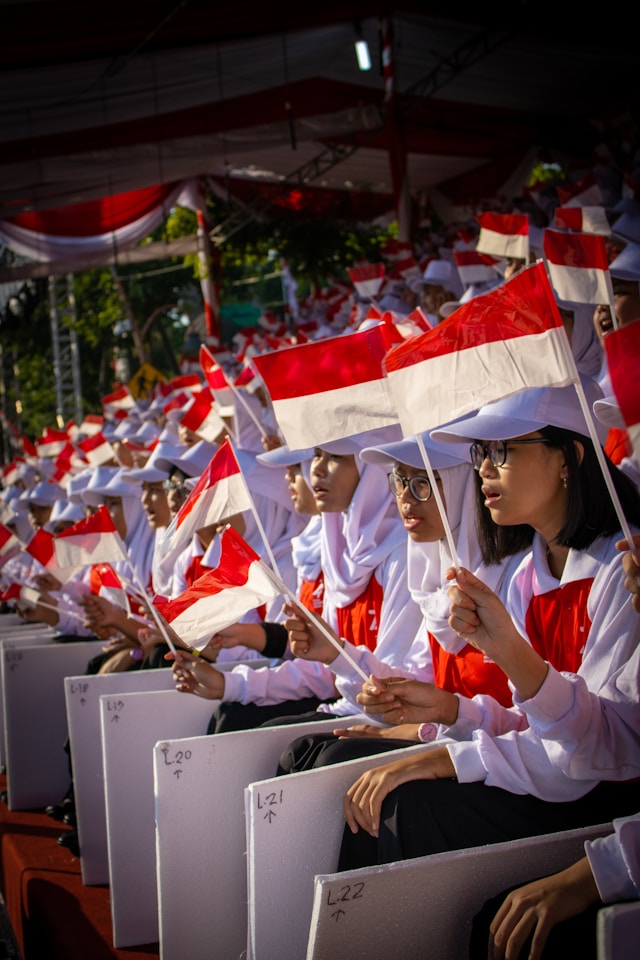

The connections between Majapahit and modern Indonesia are direct and deliberate. The Indonesian national flag derives from the royal colors of Majapahit, the same colors that flew of Raden Wijaya’s forces in 1292. The Indonesian Navy flag of red and white stripes also traces its origin to Majapahit.
Most powerfully, the Garuda Pancasila — Indonesia’s coat of arms, featuring the mythical Garuda bird — draws directly from the Hindu-Buddhist artistic tradition of Majapahit. The Garuda was a sacred symbol of Majapahit royalty, and its adoption as the national emblem of modern Indonesia was a conscious choice by Indonesia’s founding fathers, including President Sukarno, to connect the new republic to the greatness of its pre-colonial past.
The concept of Nusantara
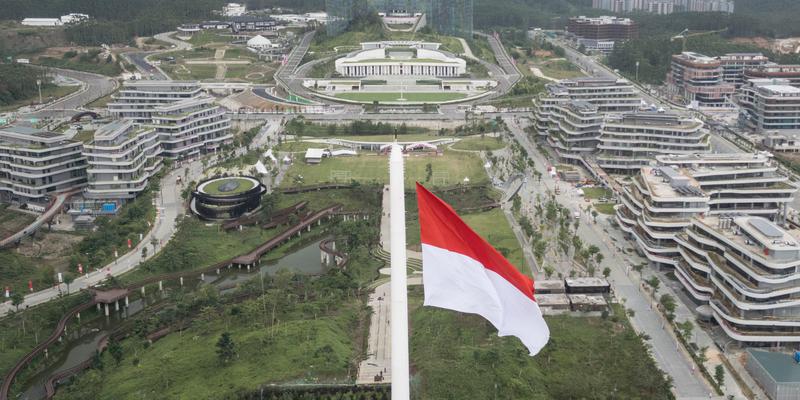
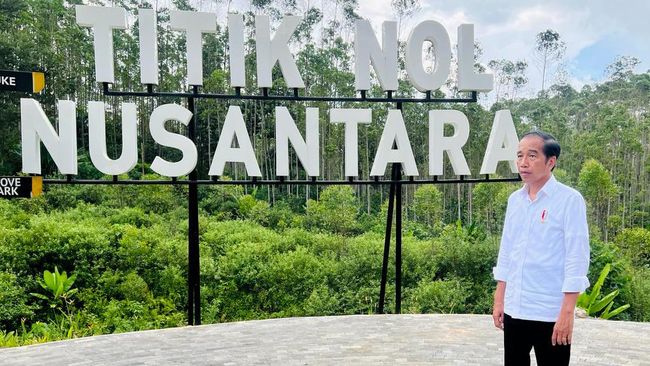
The idea of Nusantara became Majapahit’s most enduring legacy to this day. The literal meaning of Nusantara known as “outer islands” or “the archipelago” in old Javanese. Gajah Mada used the term Nusantara in his Palapa Oath, as a vision of all the islands of the archipelago united under one sovereignty.
This vision never left Indonesian political thought. Sukarno invoked Majapahit and Nusantara when building the post-colonial Indonesian republic. And in 2019, when President Joko Widodo announced the name of Indonesia’s new capital city being built in East Kalimantan, he chose the name Nusantara — explicitly connecting a 21st century national project to a 14th century imperial dream. The ghost of Gajah Mada’s oath echoes across seven centuries.
Bali as the living heir of Majapahit culture
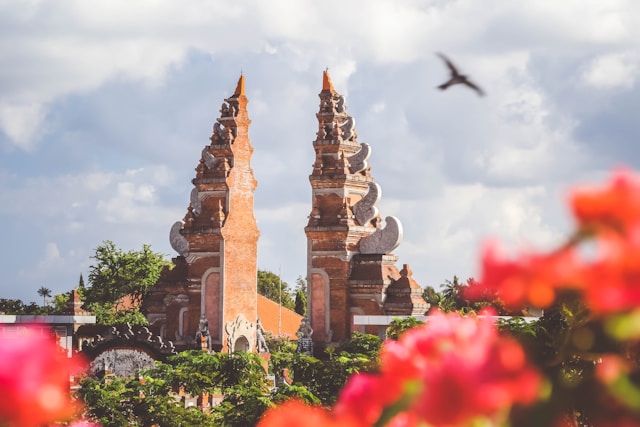
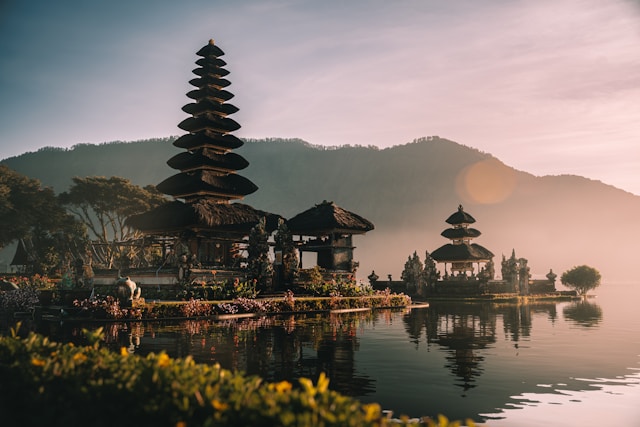
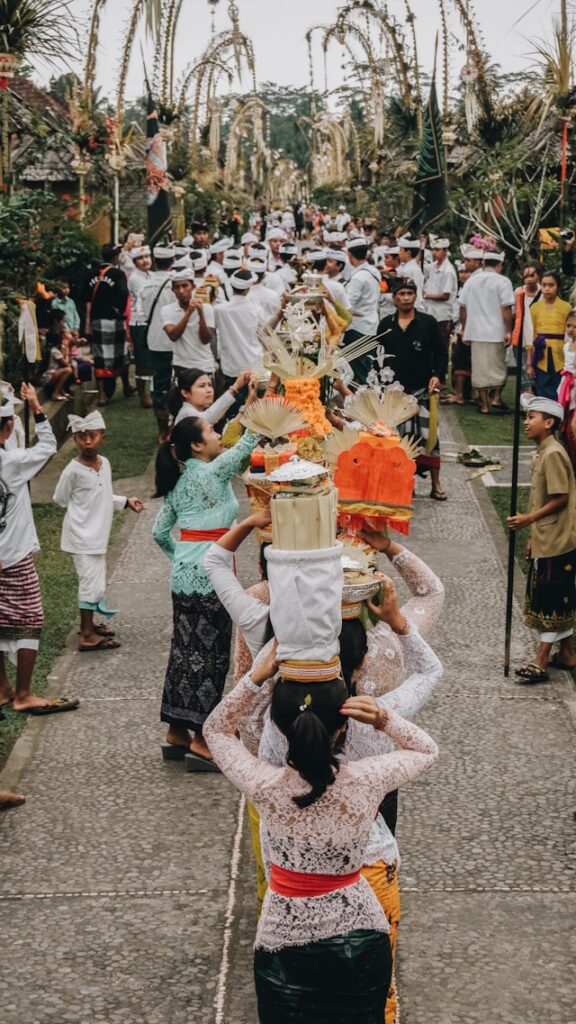
Of all Majapahit’s legacies, none is more vivid or more visible than Bali. When the Majapahit court fled eastward before the advancing Demak Sultanate in the late 15th centuries, Bali received the greatest concentration of refugees. These refugees filled by priests, dancers, musicians, sculptors, poets, and royalties who brought their entire civilization with them.
This became the main reason why Bali, alone among Indonesia’s major islands, remained Hindu when the rest of the archipelago converted to islam. The temples, ceremonies, sacred dances, caste system, wayang traditions, gamelan orchestras came directly from Majapahit culture preserved and evolved over five centuries. When you visit Bali today, you are in many ways walking through a living museum of what Majapahit civilization looked and sounded like. Read more about this remarkable story in our article on Bali Culture and History.
Majapahit in modern Indonesian identity and politics
Memory of Majapahit heavily influenced the Indonesian identity and politics. Sukarno cited it as a proof that Indonesia had always been a great nation deserving of independence. The New Order government of Suharto used it to justify Java-centric political authority. For Indonesian nationalists across generations, Majapahit represents the golden proof that Southeast Asia was not simply a passive recipient of Indian, Chinese, or European civilization — it was a civilization in its own right, one that commanded the seas and shaped the world.
Today, Trowulan is an active archaeological site, and the ruins of the Majapahit capital attract scholars and tourists from across the world. There are ongoing debates about how the site should be developed and preserved — debates that reflect the deeper question of how modern Indonesia relates to this extraordinary inheritance.
Majapahit’s reach also extended to the ancestors of many communities across the region. The Minangkabau people of West Sumatra, whose heritage stretches across the Strait of Malacca to Negeri Sembilan in Malaysia, trace part of their political history to the Majapahit era — you can read that story in our article on Minangkabau Heritage. The Yogyakarta Sultanate, which survives to this day as Indonesia’s only royal-governed province, draws its cultural legitimacy from the same Javanese Hindu-Buddhist world that Majapahit built — explore that story in our article on the Yogyakarta Sultanate.
The Majapahit may fell as an empire, but it did not disappear. It transformed into the flag that 280 million Indonesians raised every independence day. It emerged into the temples that make Bali the most visited island in the world, and into the name of a new capital city located in Borneo. That is not the legacy of a forgotten empire. That is the legacy of a civilization that was simply too great to die.
References
New Mandala (2020) Was Majapahit really an empire? Available at: https://www.newmandala.org/was-majapahit-really-an-empire/
UNESCO World Heritage Centre (n.d.) Trowulan – Former capital city of Majapahit Kingdom. Available at: https://whc.unesco.org/en/tentativelists/5466/
Mojokerto Tourism (nd) Majapahit Museum / Trowulan Museum . Available at: https://pariwisata.mojokertokab.go.id/sejarah-religi/museum-majapahit-museum-trowulan
Mojokerto Regency Government (nd) Majapahit Museum / Trowulan Museum . Available at: https://srigitarja.mojokertokab.go.id/sejarah-religi/museum-majapahit-museum-trowulan
Direktori Majapahit (n.d.) Inspiration for the World. Available at: https://direktorimajapahit.id/yad/berkas/buku/a5105e5cbdc506e8694c618f2932ef7f2.pdf
The glory of the Majapahit Kingdom in 1350–1389 (2026) Sosioedukasi. Available at: https://ejournal.unibabwi.ac.id/index.php/sosioedukasi/article/download/5999/4319
Majapahit Empire: The peak of Indonesian civilization (n.d.) RJ Wave. Available at: https://rjwave.org/jaafr/papers/JAAFR2512366.pdf
Majapahit heritage in the cultural system of the Sultanate of Demak (2024) Paramita: Historical Studies Journal. Available at: https://journal.unnes.ac.id/nju/paramita/article/view/50310/pdf
Hall, K.R. (n.d.) Majapahit Empire. In The Encyclopedia of Empire. Available at: https://archive.org/stream/majapahit-empire-kenneth-hall/Majapahit%20empire%20Kenneth%20Hall_djvu.txt
Sri Vijaya and Madjapahit (2008) Archium Ateneo. Available at: https://archium.ateneo.edu/cgi/viewcontent.cgi?article=2335&context=phstudies
Majapahit: Inspiration for the World (n.d.). Available at: https://direktorimajapahit.id/yad/berkas/buku/a5105e5cbdc506e8694c618f2932ef7f2.pdf
Van Der Linde, H. (2024) Majapahit: Intrigue, Betrayal and War in Indonesia’s Greatest Empire. Singapore: Monsoon Books.