
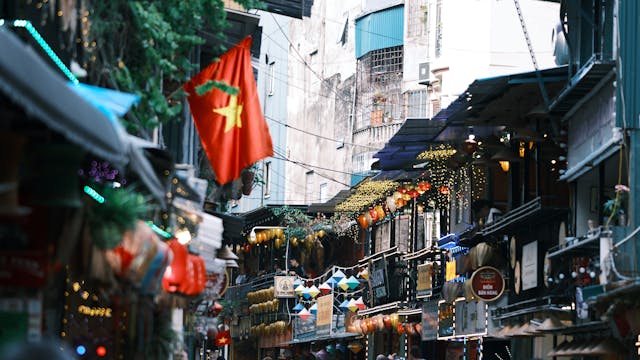
Vietnam is often described as culturally close to East Asia, sharing Confucian values, bureaucratic traditions, and social norms. Many of these values are commonly associated with China, Korea, and Japan. Yet beneath these similarities lies a long and complex history shaped not by submission, but by resistance.
For more than a thousand years, Vietnam lived under Chinese rule, and for centuries after independence, it existed in the shadow of a far more powerful neighbor. This history shows how Vietnamese society selectively adopted Chinese systems while asserting its autonomy. Exploring the Chinese influence on Vietnam reveals how the country absorbed foreign ideas without surrendering its political independence
When Vietnam was ruled by China
Subjugation of Vietnam stated began in 111 BC when Emperor Wu of Han conquered the kingdom of Nanyue. Subjugation of Nanyue resulted to Chinese administrations governing the region and integrating it into the broader imperial system of China.
During this long era of domination that lasted until 939 CE, Chinese rulers introduced many elements of their political and cultural system. Teaching of Confucius shaped the administrative structure and social hierarchy of Vietnam. Additionally, Chinese-style bureaucracy, legal codes, taxation systems, and the use of classical Chinese writing became embedded in local governance.
Over time, these institutions significantly influenced the development of Vietnamese statecraft, education, and literature. Despite being able to introduce elements of their culture to Vietnam, the Chinese still unable to win over the Vietnamese. Vietnamese sources mentioned that Chinese rule was characterized by repression, brutality, demands for huge tributes and forced labor.
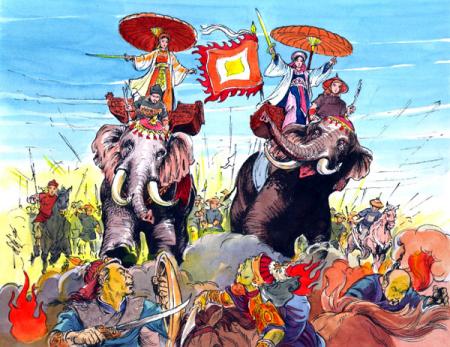
This treatment led to local uprisings that frequently broke out as Vietnamese leaders sought to regain independence. One of the most famous rebellions occurred in the first century , when the Trưng Sisters led a large-scale revolt against Chinese authority. Although their rule lasted only a few years before Chinese forces reasserted control, their rebellion became a powerful symbol of Vietnamese resistance and national identity.
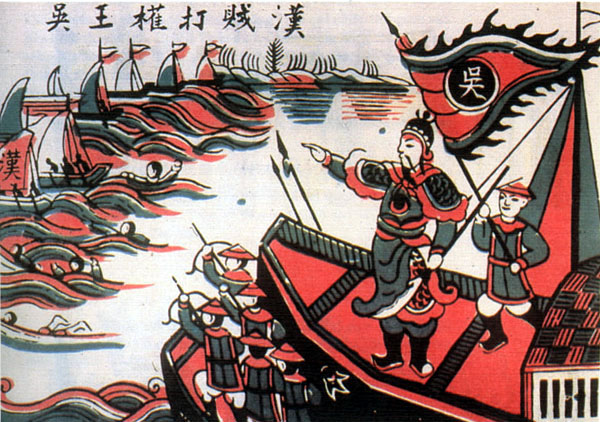
The period of Chinese rule finally came to an end in 938 CE when Vietnamese forces led by Ngô Quyền defeated the Southern Han fleet at the Battle of Bạch Đằng (938), marking the beginning of a new era of Vietnamese independence (Guliyev, 2022). Although political control eventually ended, the legacy of this millennium-long interaction remained deeply embedded in Vietnamese society, influencing its governance, culture, and intellectual traditions for centuries to come.
Resistance as a way of life in Early Vietnam
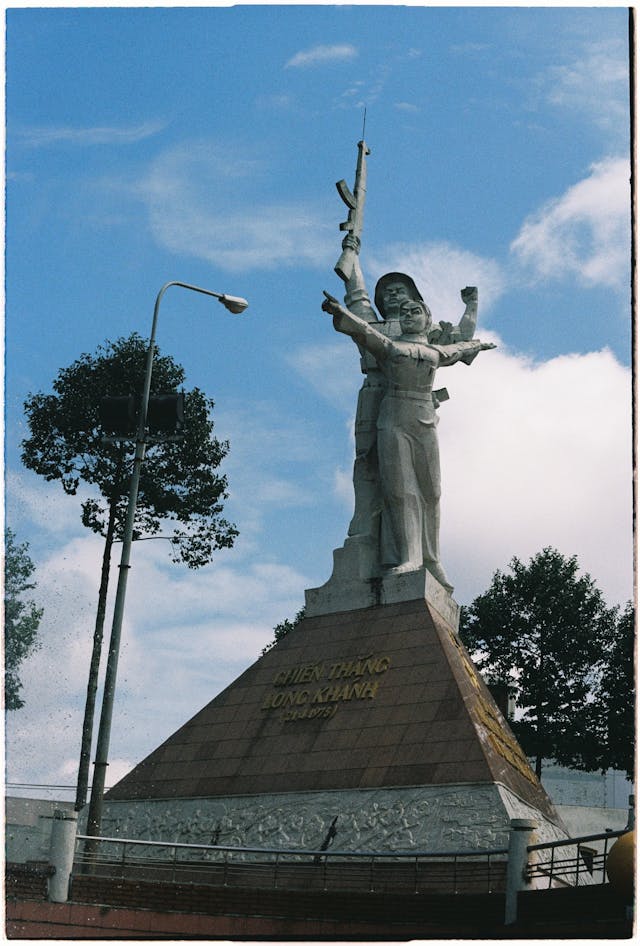
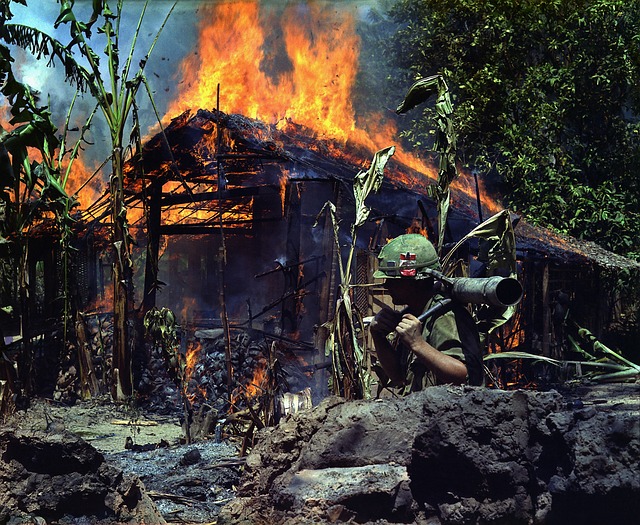
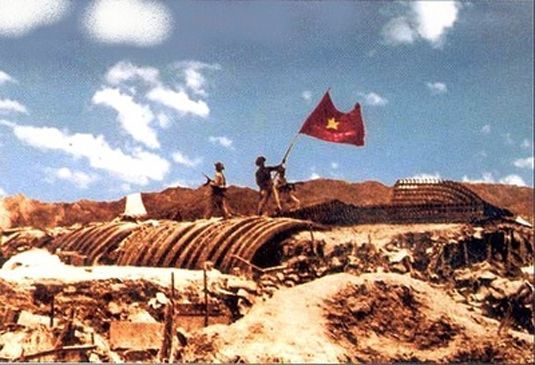
Resistance was never a one-time thing in Vietnam, it became a recurring pattern woven into the fabric of Vietnamese identity. Rather than a single defining rebellion, Vietnamese defiance emerged through continuous uprising led by local elites, village leaders, or even ordinary communities.
Figures like Trưng Trắc and Trưng Nhị, who led a major revolt in 40 CE, and later Lady Triệu in the 3rd century, symbolize this enduring spirit. Most of these resistances were often suppressed, but it gave Vietnamese a powerful idea. Foreign domination was temporary, while resistance was permanent. Over time, this cycle of rebellion shaped more than just political behavior, but it also forged national character and identity.
Resistance in Vietnam became part of their identity, where it cultivated resilience, adaptability, and deep sense of collectivism in the face of stronger external power. Despite their independence, this resistance identity did not disappear. Instead, the identity evolves into something bigger, influencing how Vietnam responded to new threats.
Notable examples can be seen in Vietnam’s early struggle agains modern superpowers against France, the United States, and China. Despite vast differences in technology, resources, and scale, Vietnamese relied on patience and resilience against their enemies.
The long tradition of resistance helps explain, how the Vietnamese able to endure and repel more powerful foreign powers from their land. Their success did not just rely in military tactics, but their deeply ingrained mindset and identity. They believe that survival and sovereignty were worth prolonged struggle.
Vietnam’s strategy: learning from China while resisting it
Independence from China in their early history did not mean rejection. After gaining their independence, Vietnamese rulers adopted pragmatic and highly strategic approach. They learned their former rulers while refusing to be controlled by them.
Institution influenced by Confucianism including bureaucratic governance, civil service systems, and administrative structures, were later integrated into the Vietnamese state. The adaptation successfully strengthen internal control, improve governance, and legitimize authority usung well-established models.
Meanwhile, Vietnam remained firm in preserving its sovereignty. Leaders carefully balanced diplomacy and resistance in their governance. Additionally, they studied Chinese statecraft, military organization, and political theory not as acts of submission, but as tools for survival.
The strategy of adaptation without assimilation, became Vietnam’s greatest strength and asset. By combining both external knowledge and internal resilience, Vietnam managed to coexist alongside a far more powerful neighbor while maintaining its own identity, even until today.
Chinese Influence on Vietnam in the Modern Era

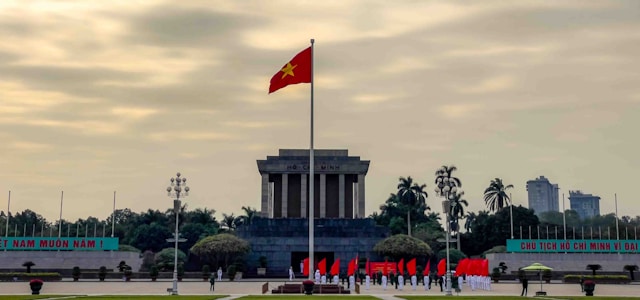
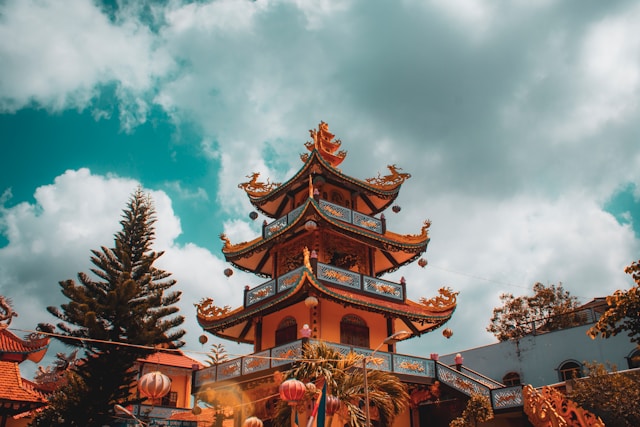
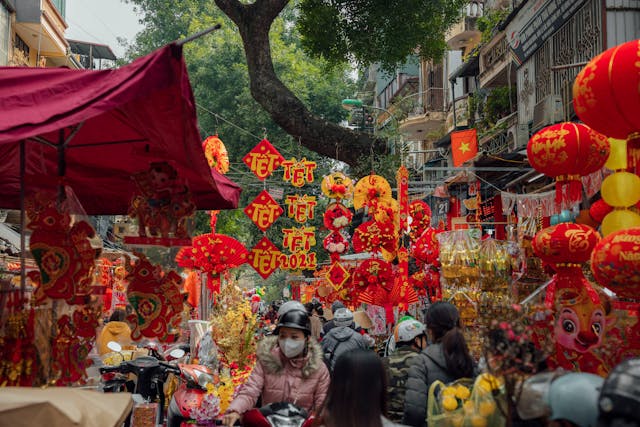
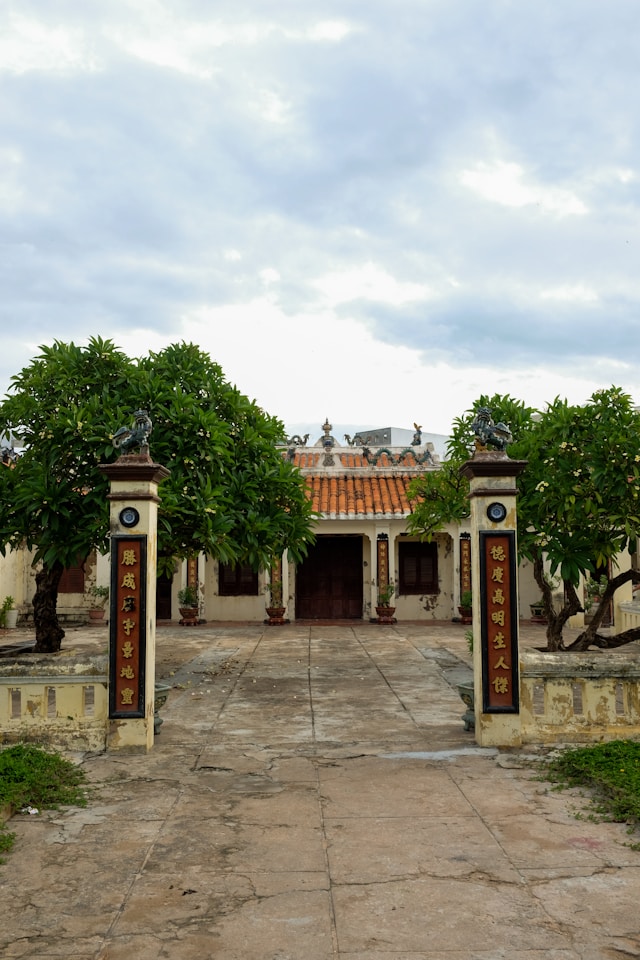
The long history between China and Vietnam continues to shape their relationship today. While the two countries maintain strong economic ties and cultural connections, historical experience made Vietnam consistently cautious.
Modern Vietnam’s approach reflects a familiar pattern seen throughout history: engagement without submission. Economically, China remains one of Vietnam’s largest trading partners and cross-border exchanges are vital for growth. However, Vietnam remains careful to avoid over dependence, often balancing its foreign policy with other global partners while maintaining firm positions on sensitive issues like the South China Sea.
Despite this cautious stance, Chinese influence on Vietnam is still deeply embedded in many aspects of Vietnamese society, especially in culture, governance, and social traditions.
Chinese Influence on Vietnam’s Celebration
One of the most visible examples is the celebration of Tết Nguyên Đán or Vietnam’s Lunar New Year festival. RThe celebration rooted in the same lunar calendar traditions as in China, Tết remains the most important holiday in Vietnam, emphasizing family reunions, ancestor worship, and renewal. Many customs such as giving lucky money, cleaning the house before the new year, and honoring ancestors reflect centuries of shared cultural heritage.
Confucianism
Beyond festivals, the influence of Confucianism continues to shape social values. Respect for hierarchy, emphasis on education, filial piety, and the importance of social harmony are still visible in Vietnamese family structures, workplace culture, and education systems.
Governance
In governance, Vietnam has also retained structural elements inspired by Chinese statecraft. Its centralized political system, bureaucratic administration, and emphasis on meritocracy governance originated during periods of Chinese rule. While modern Vietnam operates under its own political ideology, these institutional similarities highlight how historical influence has been adapted rather than erased.
Language
Last but not least, Vietnamese language carries traces of this connection. Although Vietnam uses the latin-based quốc ngữ script today, a significant portion of its vocabulary is derived from Sino-Vietnamese roots. Many of these vocabularies can be seen in formal, academic, and political terminology.
Resources
https://factsanddetails.com/southeast-asia/Vietnam/sub5_9a/entry-3332.html
https://www.thatsmandarin.com/guest-blogs-media/chinese-cultural-influence-on-vietnam/
https://www.researchgate.net/publication/361302257_A_Historical_Overview_of_China’s_Influence_on_Vietnam